Digitisation as a Catalyst for Conservation

|By Margaux Lapierre, Digitisation Project Manager, British Library│

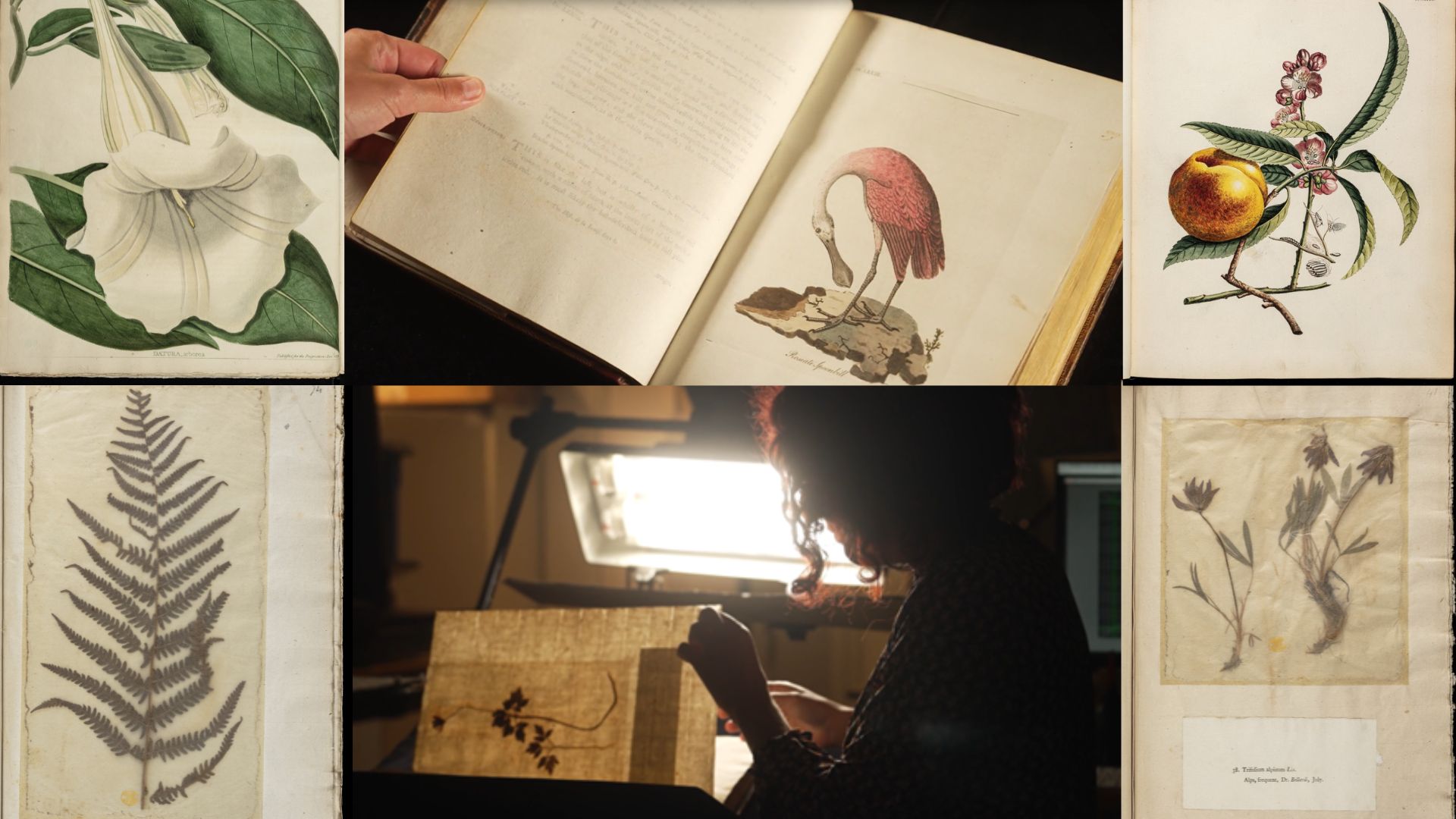
The digitisation of rare and historic materials not only makes these materials more accessible, it also supports preservation and cultural stewardship. For institutions like the British Library, where collections of printed heritage may be large and fragile, digitisation helps to safeguard materials while expanding their visibility and value in research, education, and public engagement.

Projects such as Eighteenth Century Collections Online, Part III (ECCO III), which will be released in March 2026, are a model for how digitisation and conservation complement and strengthen one another. They provide an illustration of how a library can protect the material integrity of its holdings and fulfil its mission to provide access to knowledge for as wide an audience as is possible.

Read more

Gale-SHAFR Fellows Explore New Digital History Methods

│By Jess Ludwig, Director, Product Management│

On a recent humid summer morning in Arlington, Virginia, participants in the Gale-Society for the History of American Foreign Relations (SHAFR) fellowship presented exciting research findings at SHAFR’s 2025 annual conference.

SHAFR was founded in 1967 and “is dedicated to the scholarly study of the history of American foreign relations.” In 2024, Gale and SHAFR partnered to create a fellowship; as part of the program, Gale made available Gale Primary Sources archives tailored to each fellow’s research agenda; access to the primary sources text and data mining platform Gale Digital Scholar Lab; and a stipend.

Read more

Learning from the Ground Up – Hacking History in Oxford with Gale Digital Scholar Lab

Hacking History Oxford Digital Humanities Skills Workshop

│By Chris Houghton, Head of Academic Partnerships│ This blog post details the Gale Hacking History event run in collaboration with Digital Scholarship @ Oxford in May 2025. It also reflects on the value of using hackathons to teach digital humanities tools and methodologies, enabling participants with no knowledge of DH to collaboratively develop projects and … Read more

The Second Gale Digital Humanities User Engagement Program

DH User Group - all members

|By Becca Bowden, Gale Digital Scholar Lab Product Manager|

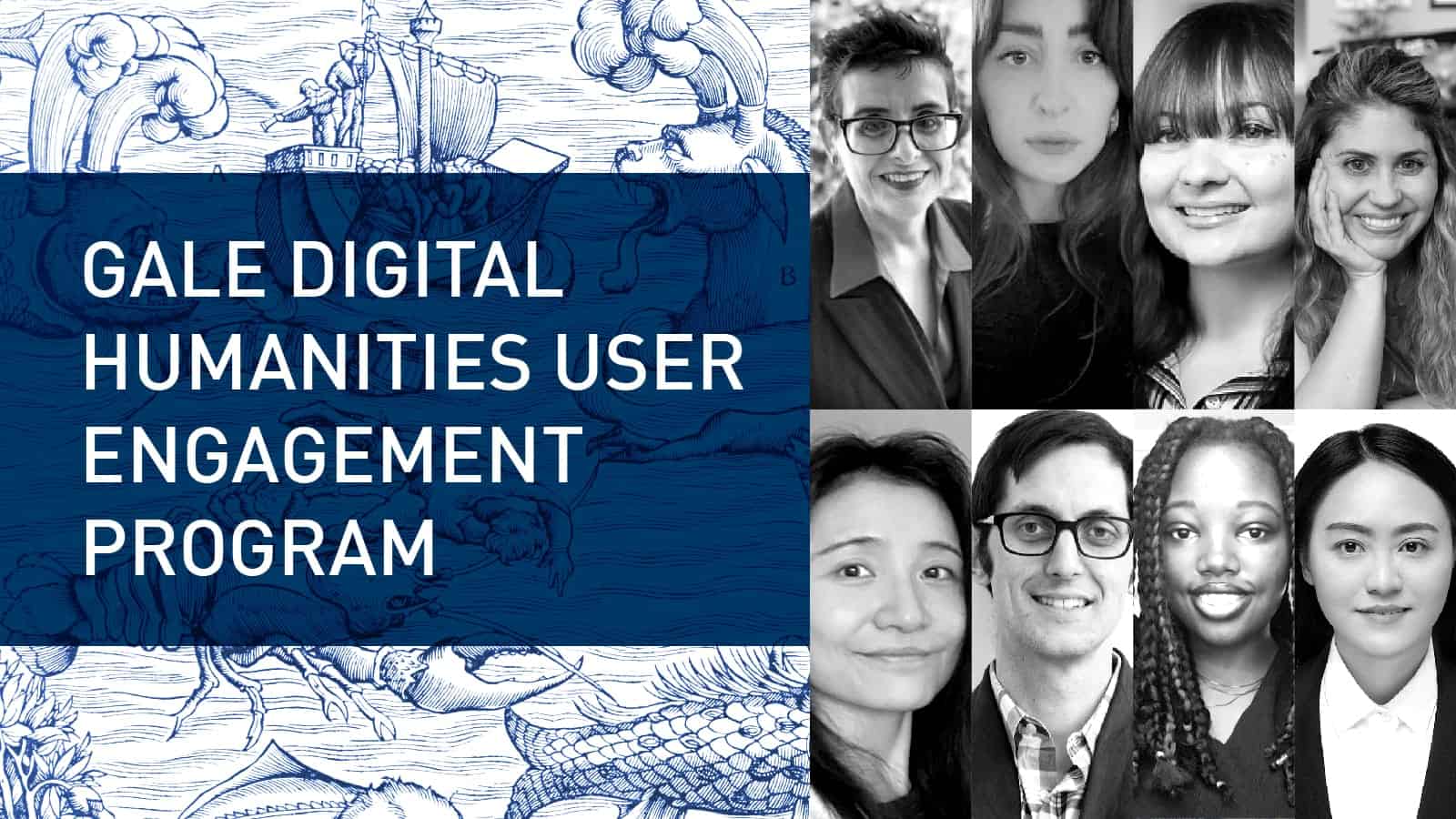
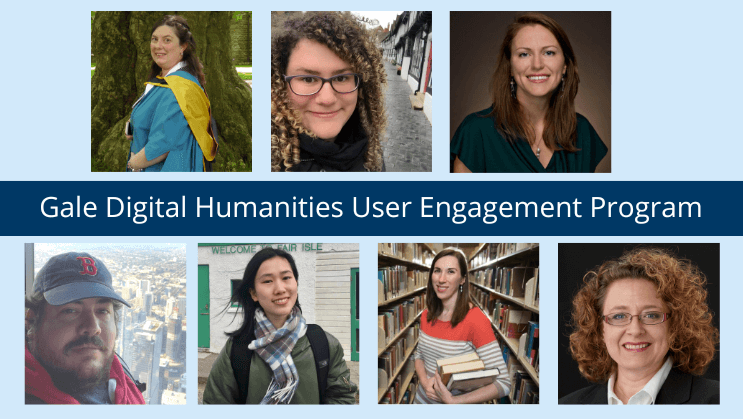
Gale is pleased to announce its second ‘Gale Digital Humanities User Engagement Program’. Following on from the success of the program in 2022, we are excited to invite eight new Gale Primary Sources and Gale Digital Scholar Lab users to collaborate closely with the Digital Humanities production team at Gale. The members of the Digital Humanities User Engagement Program will provide feedback throughout the product development process, keeping the voice of the researcher at the center of the product experience.

Read more

Introducing the Gale Digital Humanities User Engagement Program

|By Rebecca Bowden, Gale Digital Scholar Lab Product Manager|

On June 27, 2022, Gale launched its first Digital Humanities User Engagement Program, inviting eight Gale Primary Sources and Gale Digital Scholar Lab users to collaborate closely with the Digital Humanities Production team at Gale. The members of the User Engagement Program will provide feedback throughout the product development process, keeping the voice of the researcher at the center of the product experience.

Below, the Digital Humanities Product Managers who developed the program – Rebecca Bowden and Megan Sullivan – explain more!

Read more

Announcing a New Partnership Between Gale and the British Society of Eighteenth-Century Studies

Design made combining Gale and BSECS logos

│By Chris Houghton, Head of Digital Scholarship│

Gale is delighted to announce a partnership with BSECS, the British Society of Eighteenth-Century Studies. This partnership provides free access to Eighteenth Century Collections Online (ECCO) for all non-affiliated members of the society who are UK residents. From 1 February 2022, any member of BSECS resident in the UK without an existing affiliation to a UK or Ireland higher education institution will be able to apply for access to this seminal resource at no cost.

Read more