Chinese National Day

By Cathy Huang

Chinese National Day is celebrated on October 1st every year to commemorate the founding of the People’s Republic of China with lots of large-scale activities held nationwide. It’s followed by ‘Golden Week’, a seven-day holiday from the 1st to the 7th of October, during which many Chinese people travel around the country and abroad.

There had been Chinese national celebrations in October prior to the establishment of the PRC as the removal of the final Chinese dynasty (the Qing) sprung from the Wuchang Uprising on 10th October 1911, after which Sun Yat-sen sought to consolidate a Republic. Consequently, for many years the nation commemorated the formation of the Republic in October. In 1945 The Western Daily Press and Bristol Mirror – one of the papers included in Gale’s British Library Newspapers digital archive – briefly described how National Day was celebrated in the region that year.

Read more

The Development of the British Palate, Part 2

Written by Jess Edwards and Daniel Pullin

In case you missed it, last week we posted the first instalment of our extended exploration of the development of the modern British palate. Inspired by the events taking place around the UK for British Food Fortnight, we considered what actually constitutes ‘British Food’. The phrase can, of course, describe food produced in Britain, but it could also mean the food eaten most regularly in the UK, and entrenched in British culture – and many of the meals commonly eaten in Britain today have been introduced from foreign shores. Last week we unearthed historical copies of recipes for, and discussion about, two meals which have become staples in the British diet; curry and pasta. We also rustled up our own versions using the following historical instructions! (Follow this link to see the results of our culinary experiments!)

This week we’re continuing our investigation into the historical background of foods commonly consumed in modern Britain, and this time we’ve chosen to focus on a couple of recipes with clearer British origins. Both have still, however, undoubtedly undergone their own evolution and adaption – even if largely due to the impact of mass production!

Read more

The Development of the British Palate, Part 1

Written by Jess Edwards and Daniel Pullin

Daniel and I are both keen on History – and food! The events currently taking place throughout the UK to celebrate British Food Fortnight led us to consider what actually constitutes ‘British Food’. Of course, in one sense the phrase describes food produced in Britain, but it could also mean the food eaten most regularly in the UK, and entrenched in British culture, which equates to a very different interpretation of ‘British Food’. Many of the meals most commonly eaten in Britain today have been introduced from foreign shores. We decided to explore the development of the modern British palate in the Gale archives, and unearthed historical references to both foreign and native recipes – as well as learning how both have solidified their reputation and popularity in British food culture. And to add an amusing twist, we thought we’d rustle up a few dishes under the guidance of these historical recipes…!

Read more

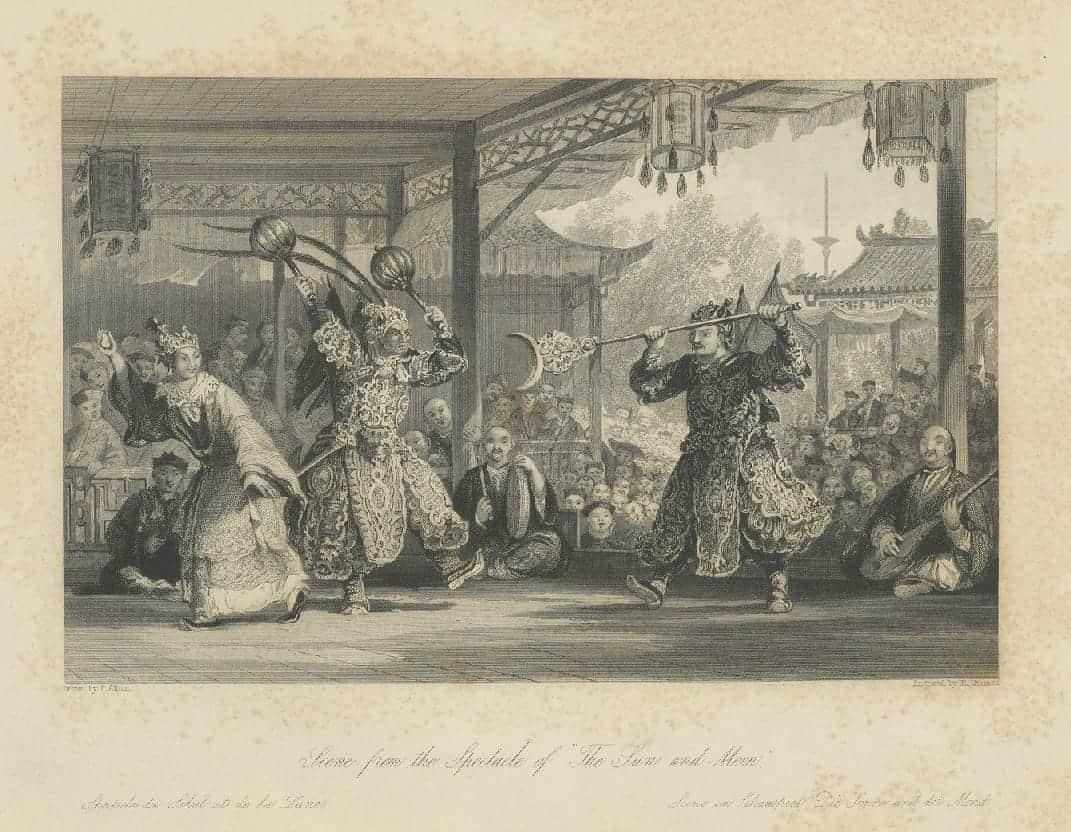
The Origin of Mid-Autumn Festival – “Zhong Qiu Jie”

By Cathy Huang

“Zhong Qiu Jie”, which is also known as the Mid-Autumn Festival, is celebrated in China and Vietnam on the 15th day of the 8th month of the lunar calendar. It is a time for family members and loved ones to congregate and enjoy the full moon – an auspicious symbol of abundance, harmony and luck. Adults will usually indulge in fragrant mooncakes of many varieties with a good cup of piping hot Chinese tea, while children run around with brightly-lit lanterns.

Read more

Exciting Changes Coming to Gale Literature Resources

A new, mobile-responsive experience is available for your Gale literature resources! Users of Artemis Literary Sources, Something About the Author OnlineLiterature Criticism Online, and Dictionary of Literary Biography Complete Online will now see a “Try it Now” link at the top left corner of the product; clicking this link will immediately display the product in its new experience.

Read more

Remembering Elvis: the man behind the legend

Elvis Presley was just 41 when he died in August 1977. So much had been achieved in just over twenty years; a young country boy had risen exponentially to become one of the biggest – perhaps even the biggest – icons of twentieth-century popular culture. Looking back over his career with Gale’s digital archives reveals a more personal, introverted side to the man who became known as ‘the King’.

Read more

India Independence day is today

by Naina Malhotra

August 15, 1947 was the day when the tricolor was raised and Independent India emerged. It has been a revolutionary period of more than 60 years for India since the nation became independent from colonial rule. I was curious to go down the history to find out how the changes took place through these years, looking at Gale resources:

Read more

Bicycle Races are Coming Your Way: following the Tour de France in Artemis Primary Sources

This year’s Tour de France is about to end, and like every tour it has seen its fair share of drama. The tour is still ongoing at the time of writing with Britain’s Chris Froome once again wearing the yellow jersey. It hasn’t been an easy ride for Froome, as a collision with a race motorcycle forced him to abandon his bike and run to the finish line atop the colossal Mont Ventoux. Collisions between riders and other road users are unfortunately common occurrence in the Tour, as I found in Gale Artemis: Primary Sources

Read more

“Hurrah for the red, white and blue”

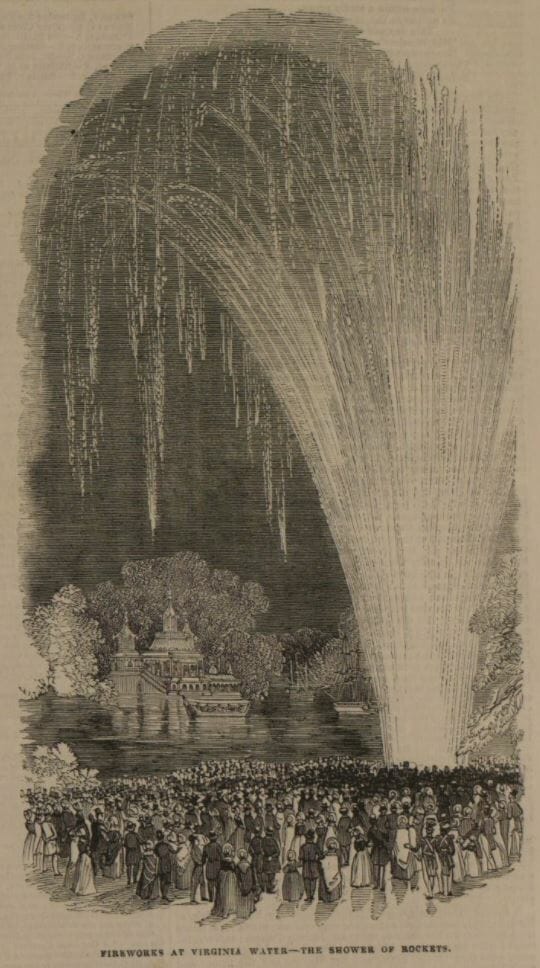
14th July is the day of “fête nationale” in France, or “Bastille Day” as it is known in English, falling on the anniversary of the storming of the Bastille prison on 14th July 1789, in the early days of the French Revolution. It is a day of popular celebrations, grand military parade and lavish fireworks. Contrary to the 4th of July, the American Independence Day celebrating events of 1776, the 14th July was slow to establish itself firmly as a date of national celebrations in France. The chequered history of this holiday can been traced in Gale’s rich newspapers archives.

Read more

Bombs, Shells and Steel: Revisiting the Battle of the Somme

‘It ain’t the guns nor armament

Nor funds that they can pay,

But the close co-operation

That makes them win the day.

It ain’t the individual,

Nor the Army as a whole,

But the everlasting teamwork

Of every bloomin’ soul.’

Rudyard Kipling

Read more