
│By Mickey Mehta Arorra, Digital Product Trainer│
India’s history unfolds across centuries of transformation – colonial rule, the struggle for independence, post-colonial reconstruction, and global diplomacy. Much of this complex narrative has long remained buried in distant or hard-to-reach archives. Now, Gale Primary Sources brings these rich and rare documents into the digital realm, making them accessible to students, educators, and researchers across India.
With collections such as Decolonization: Politics and Independence in Former Colonial and Commonwealth Territories, The Making of Modern Law: Legal Treaties, 1800-1926, and Women’s Studies Archive, learners can dive deep into archival material that brings India’s layered past to life in vivid detail.
Unearthing Hidden Histories From Your Desk
Gone are the days when deep archival research required international travel or special permissions. Gale Primary Sources offers digital access to documents such as diplomatic correspondence, tribunal records, and government files, that were previously out of reach. Whether you’re a bachelor’s student in Delhi or a PhD researcher in Varanasi, you can now explore India’s past from your computer.
And for students feeling overwhelmed by where to start, Gale’s Learning Centers (found in many archives) offer guided paths, tips, and sample searches to jump-start discovery.
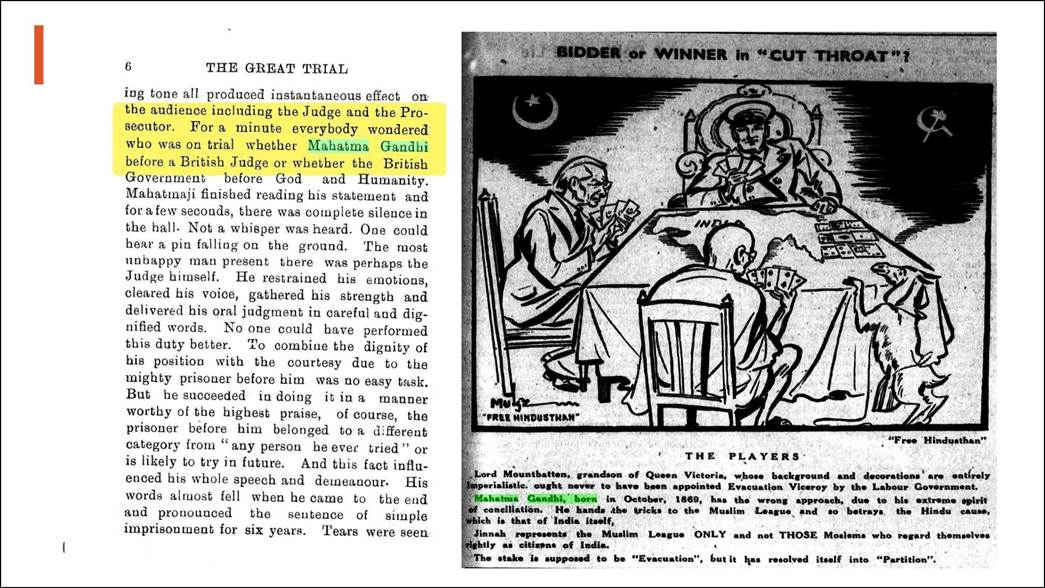
For example, a PhD law student from Delhi University uncovered critical insights into Mahatma Gandhi’s trial by exploring The Making of Modern Law: Legal Treaties, 1800-1926. Such firsthand documents allowed her to analyse courtroom proceedings and legal frameworks with far more nuance than secondary sources can provide. Likewise, this collection opens access to landmark agreements and international proceedings that shaped India’s sovereignty and trade relations in the formative decades of independence.
At Banaras Hindu University, political science and sociology scholars are increasingly turning to these materials to study how India negotiated its economic and legal relationships in global forums after 1947. Access to authentic treaties, arbitration records, and international correspondences not only broadens the scope of their research but also empowers students to connect India’s postcolonial journey with wider global dynamics.
Decolonisation: Witness the End of Empire
The Decolonization: Politics and Independence in Former Colonial and Commonwealth Territories archive documents one of the most crucial phases in Indian history – its struggle for freedom. Browse through parliamentary debates, manifestos, and correspondence between British officials and Indian leaders to trace the tension, negotiations, and breakthroughs that led to independence.
At Maharishi Dayanand University, researchers have used these primary documents for dissertation topics on partition-era governance, moving beyond secondary commentary to analyse the real voices of policymakers.
Foreign Office Files: India on the Global Stage
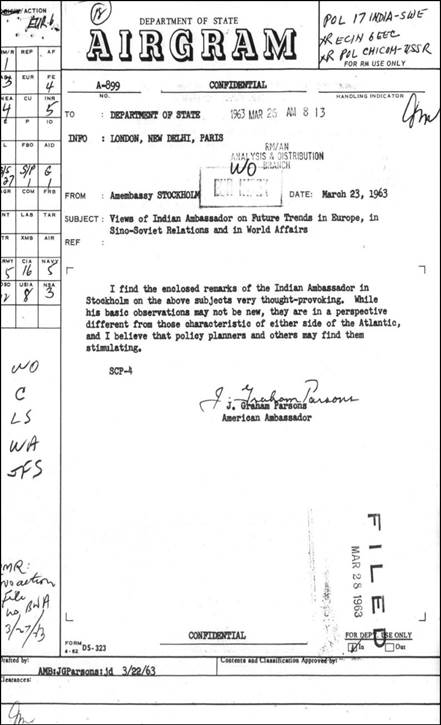
Post-1947, Indian diplomacy began to carve out its global presence. The ‘Foreign Office Files for India, Pakistan, and Afghanistan’ collection in Archives Unbound provides an extraordinary look into India’s early diplomatic posture. Documents include telegrams, regional policy papers, and international assessments from the British perspective.
Faculty and students at Aliah University have used this material to study India’s geopolitical strategy during events such as the Non-Aligned Movement and its early post-independence positioning.
Women’s Studies Archive: Advancing Gender and Social Research
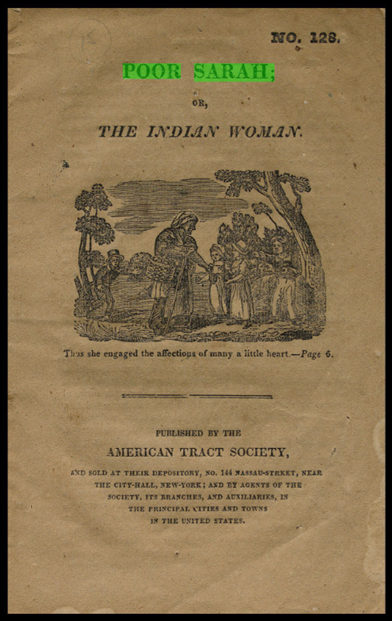
One of the most widely adopted Gale Primary Sources collections in India is the Women’s Studies Archive, which has become an invaluable resource for scholars of gender and social history. Many renowned institutions – ranging from central universities to leading research institutes – are actively using this archive to support cutting-edge research in women’s studies, gender studies, and related fields.
At NIT Durgapur, for instance, a professor whose research areas include women and gender studies, actively engages with the Women’s Studies Archive to draw relevant material for her work. Topics such as women’s participation in nationalist movements, representations of gender in colonial and postcolonial India, and the intersections of women’s rights and labour reforms are being explored with the help of rare pamphlets, organisational records, and personal narratives available in the collection.
By making accessible voices and experiences that have historically been marginalised, the Women’s Studies Archive enables Indian scholars to connect local gender narratives with global contexts. For students, it fosters critical engagement with women’s voices, female perspectives, agency, and representation, offering a vital platform to enrich classroom discussions and scholarly writing alike.
Harnessing Digital Tools: Smita Singh’s Research With Digital Scholar Lab
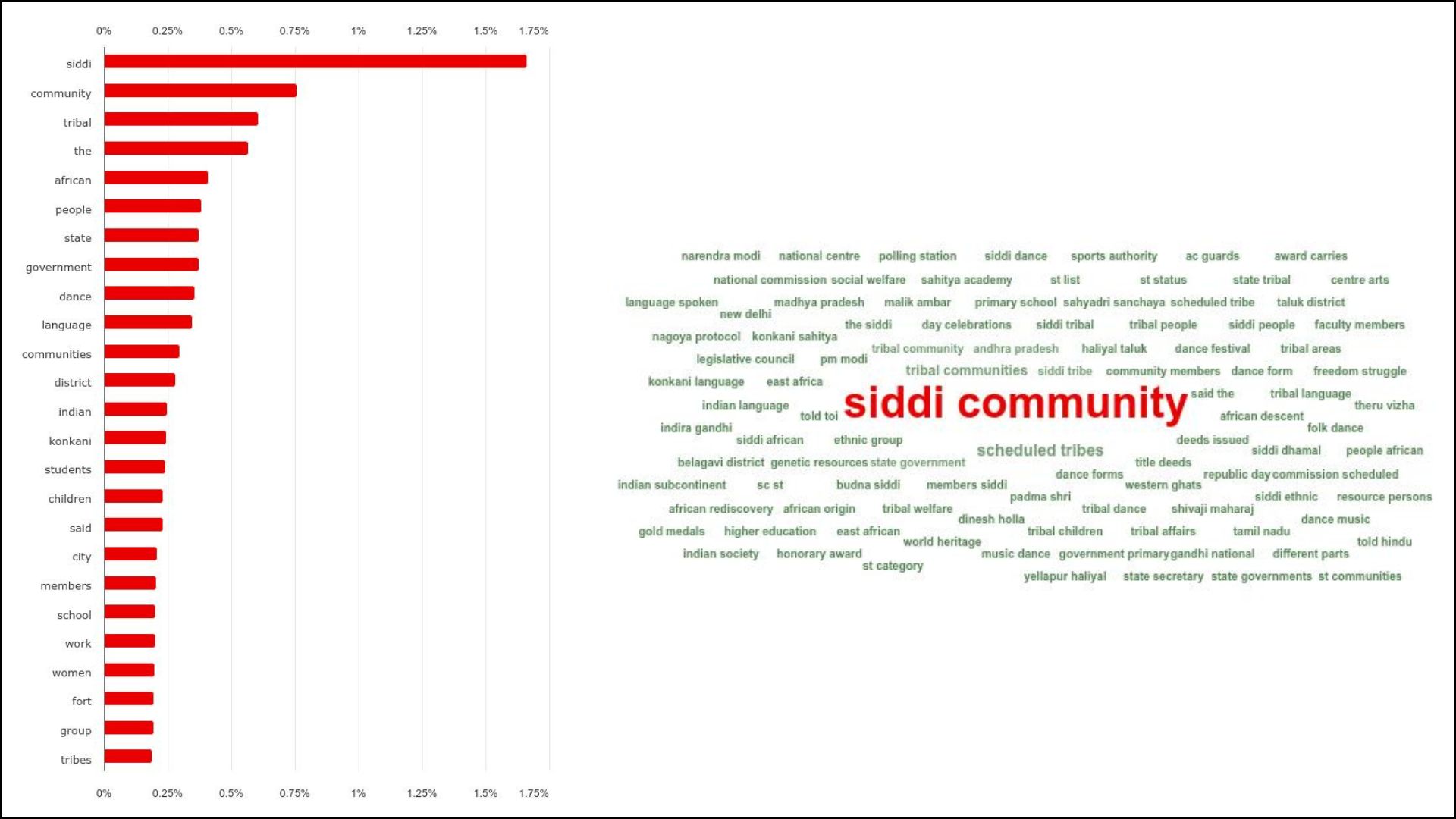
Another inspiring example comes from Smita Singh, a PhD scholar at the Department of African Studies, University of Delhi. Smita has been actively using Gale’s Digital Scholar Lab to support her doctoral research. By applying text mining and data visualisation tools within the platform, she was able to conduct an N-gram analysis that uncovered recurring patterns and themes across a large body of historical texts.
Her work demonstrates how the Lab enables scholars to move beyond traditional archival research, allowing them to explore big-data approaches to the humanities. By integrating computational methods with subject expertise, Smita has been able to present new insights in her field, even showcasing her findings in a conference paper based on her N-gram study.
Her example reflects the growing trend in Indian academia where researchers are embracing digital humanities tools to ask innovative questions and expand the possibilities of primary source analysis.
Student Voices: Reimagining Global Politics
Beyond faculty and established researchers, Gale Primary Sources also empowers students to engage critically with global scholarship. A strong example is the work of Aiman Urooj, a Gale Ambassador and PhD Research Scholar at the Department of Political Science, University of Delhi.
Aiman recently authored an insightful blog titled “Reimagining Global Politics: International Relations through a Non-Western Lens.” In her piece, she highlights how Gale archives help question the Eurocentric framing of International Relations and opens avenues for rethinking the discipline from a postcolonial and decolonial perspective. Her research interests include Eurocentrism in International Relations, conceptualising the international and historiography of international relations, foreign policy analysis, and postcolonial and decolonial thought.
By engaging with Gale resources such as the Decolonization archive, Aiman demonstrates how young scholars can challenge conventional narratives and bring fresh perspectives to the study of global politics. Her work is a testament to how student researchers in India are leveraging Gale archives not only to support academic projects but also to shape broader conversations about international relations and knowledge production in the Global South.
Fuelling New Questions for a Modern India
Ultimately, Gale Primary Sources doesn’t just preserve the past—it inspires present inquiry. Researchers and students are empowered to ask questions like: How did India forge its national identity amid colonial frameworks? What roles did gender or social movements play in shaping policy? How did global perceptions shape India’s self-image post-independence? These questions, vital to contemporary academic discourse, begin in Gale’s archives.
Gale Primary Sources opens a digital gateway to India’s layered history through rare archival documents – decolonisation records, diplomatic files, and legal treaties – that were once inaccessible. By incorporating these collections into research and teaching, Indian academic communities gain powerful tools not just to explore the past, but to build critical, narrative-rich scholarship for the future.
If you enjoyed reading this post, you may like to read the following posts:
- Simla, McMahon, and the Origins of Sino-Indian Border Disputes
- A Window Into Decolonization: Perspectives From Formerly Colonised and Commonwealth Regions
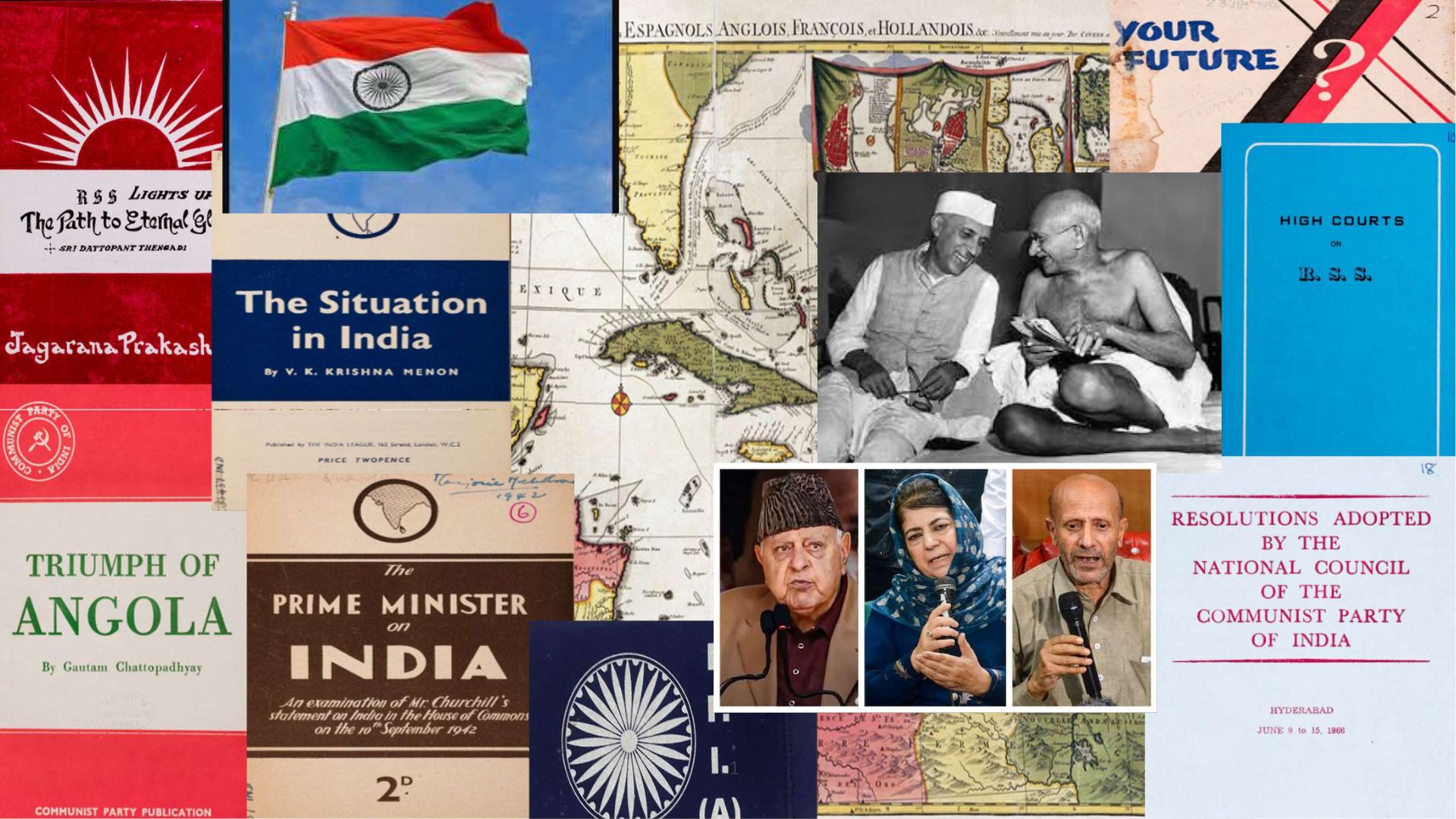
Blog post cover image citation: Collage of images from Decolonization: Politics and Independence in Former Colonial and Commonwealth Territories