
│By Brendon Ndoro, Gale Ambassador at the University of Cape Town│
In Business studies, it is easy to assume that success is all about securing the best return on investment. However, true academic and professional success requires a deeper, more analytical approach: critical thinking.
The foundational concepts explored in the study of business ethics, particularly covered in the “Business Ethics”1 textbook by Jimmy Winfield, George Hull, and Greg Fried, will be used to explore the topic of critical thinking and how it can be used to distinguish between what is merely profitable and what is genuinely right.
The Times Digital Archive offers us the ability to travel back in time, providing us the opportunity to audit the reasoning of past business leaders and equip ourselves with the logical tools needed to succeed today.
What are Normative Moral Facts?
The difference between descriptive facts and normative facts is one of the most crucial distinctions in business ethics. A descriptive fact will simply state what is happening. For example, the national minimum wage in South Africa was set at R30.23 per ordinary hour worked, as of March 1, 2026. A normative moral fact, however, dictates what ought to happen. In this case, businesses ought to pay their workers a living wage that exceeds the legal minimum. Paying someone an amount that cannot cover basic human necessities is morally unjust, regardless of what the law permits.
Historical debates in the Times Digital Archive reveal how businesses often confused descriptive legalities with normative morality.
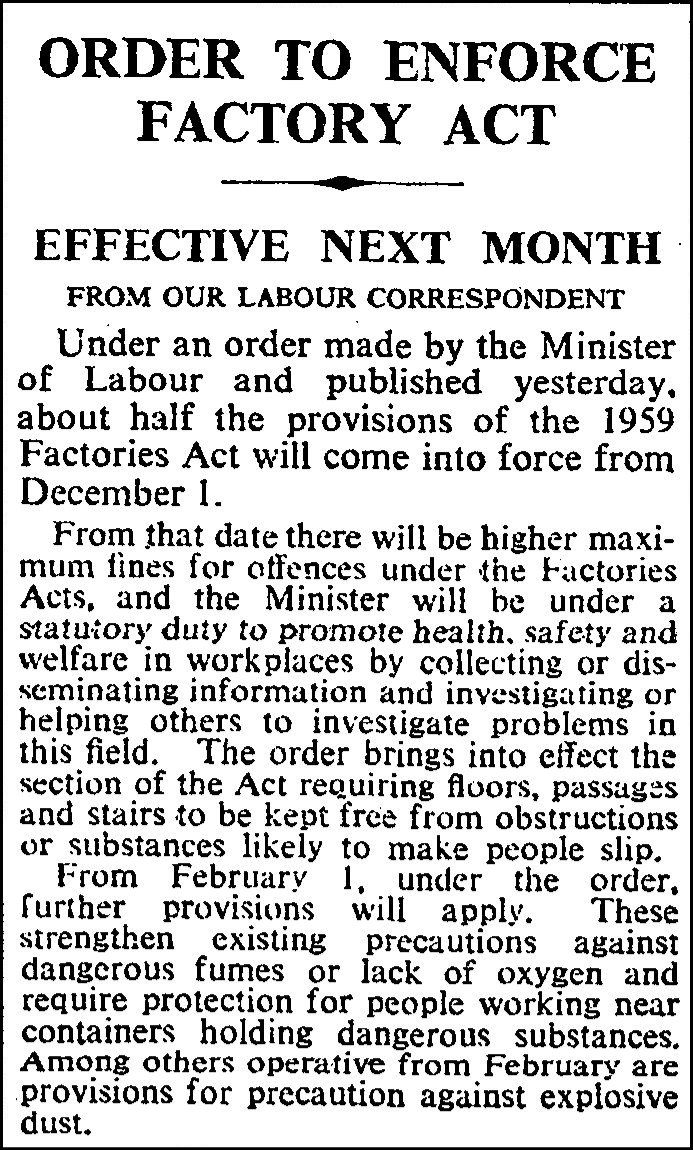
When you search in the Times Digital Archive for debates on the Factory Acts in the nineteenth century, you uncover articles that view child labour as an economic necessity. It was completely ignored that the normative moral fact of exploiting children was wrong, and exposure to certain working conditions stunted growth.
In the decision to have workers work a reduced ten-hour shift instead of twelve, the Ten Hours Act was also seen as beneficial to the development of reading and writing skills of a few kids. Although working children gained desirable skills, their physical health was at a higher risk than that of adults. As business students, these primary sources offer us lessons that practices that are often seen as legal or profitable do not always equate to being morally right.
The Mechanics of Logical Reasoning
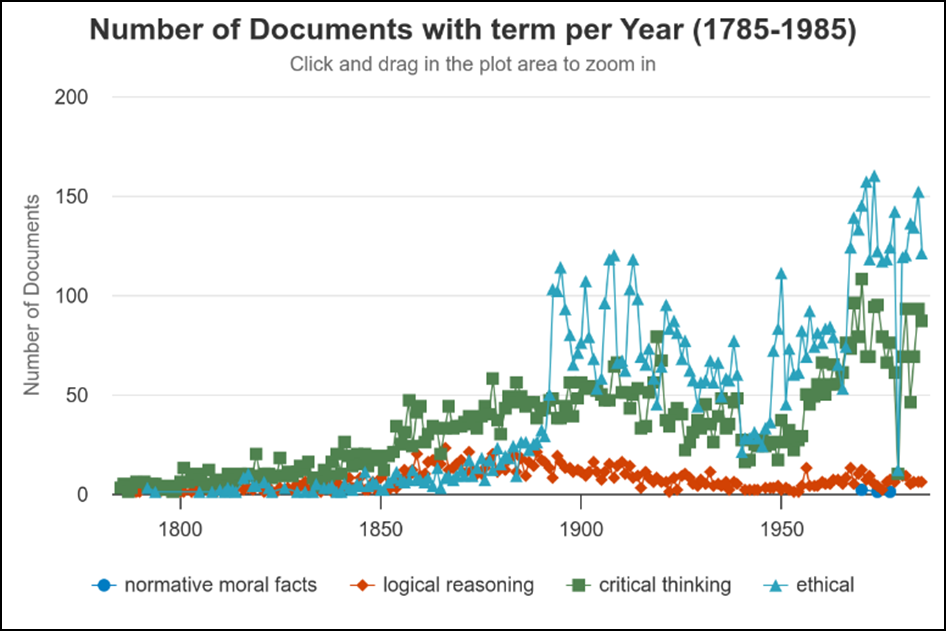
The tool of critical thinking is powered by logical reasoning. This is the ability to construct sound arguments where true premises lead to a valid conclusion. When writing exams, you are not just judged on your final answer, but on the thought process and the reasoning that got you there.
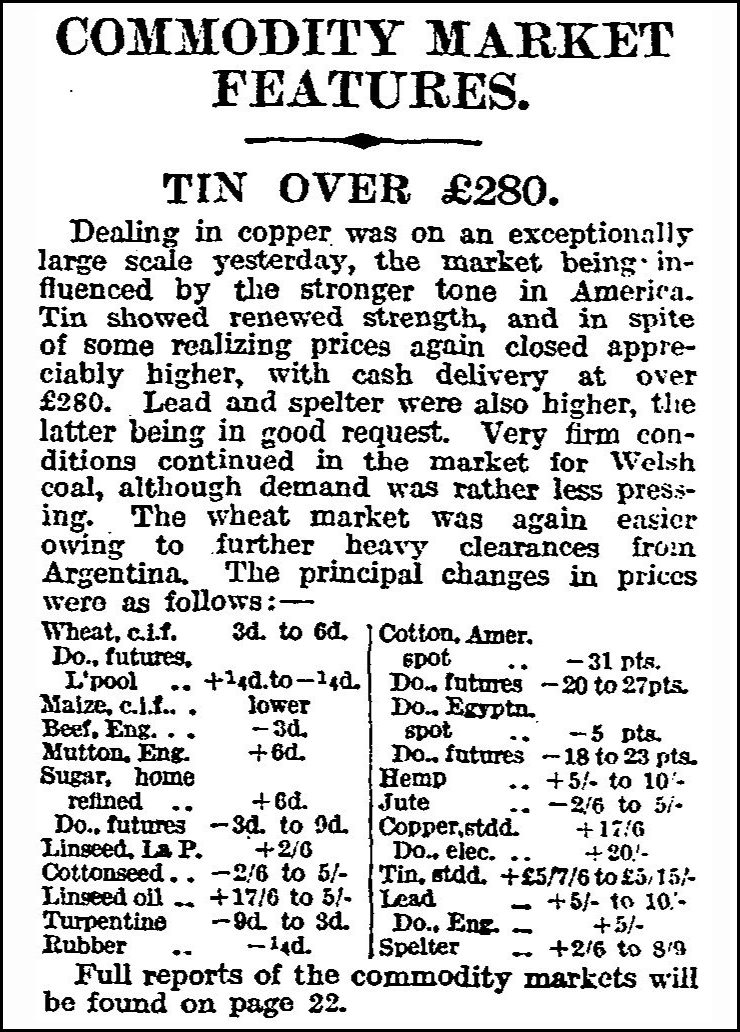
You can test your logical reasoning skills by reviewing past financial disasters. Just before the Great Depression in 1929, confident financial reports stated that the stock market was strong. It was commonly assumed that the market would have continued in this manner simply because the market had gone up in the past. Using logical reasoning helps us identify a massive error known as the inductive fallacy. Spotting these false premises in history helps us to avoid repeating them in modern financial modelling.
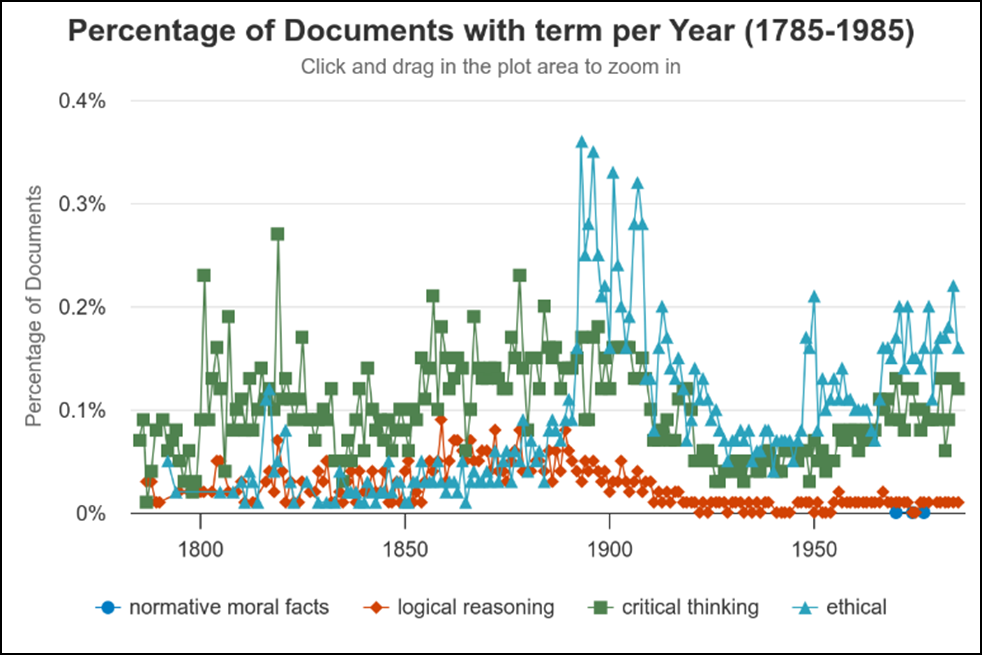
Avoiding the Straw Man and Groupthink (Ad Populum)
Identifying logical fallacies is essential for achieving good grades. A common trap is the Straw Man fallacy. With this fallacy, an opponent’s argument is misrepresented to make it easier to attack or manipulate its perceived significance. Early environmental regulations were often met with ‘Straw Man’ arguments from industrialists.
For example, the smoke abatement debates in the early 1900s reveal that factory owners argued that regulators simply wanted to de-industrialise Britain. The regulators just wanted regulations to promote cleaner air.
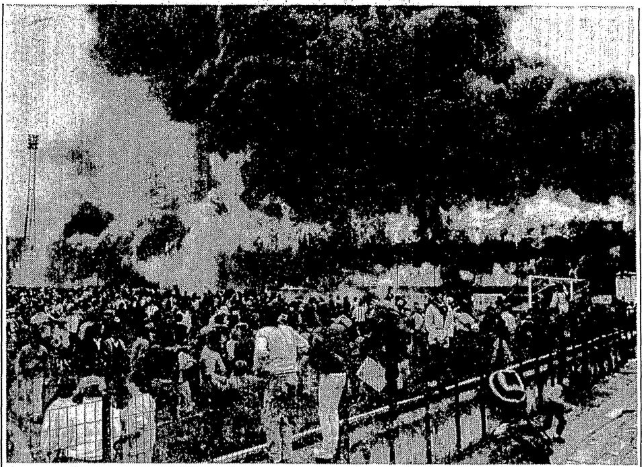
In addition, utilising Gale Primary Sources trains you to avoid groupthink, otherwise known as the ad populum fallacy. During market bubbles, where the price of assets rises significantly past their intrinsic value, most of the press might praise a flawed business model. Critical thinking is the most crucial skill that allows you to sift through the archives, find the minority who looked at the normative facts, and understand why the dissenters were right.
Why Critical Thinking Secures Academic Success
Utilising resources like the Times Digital Archive elevates the quality of your academic work. It grounds your essays in real, historical evidence. You learn to deconstruct arguments in the real world. These skills prove to your lecturers that you can identify flawed logic, ethical blindness, and champion normative moral facts.
Critical thinking in Business Studies is far more than a buzzword. It is a vital defense mechanism against ethical failures and financial blunders. I challenge you to log into the Gale Primary Sources archives provided by your library, pick a historical business crisis of interest, and find an article written before the market crash. Can you spot the logical fallacy they made?
If you enjoyed reading about the intersection of historical archives and ethical business practices, check out these posts:
- Exploring Corporate Social Responsibility with the Times Digital Archive
- The Wall Street Crash – An Enduring Comparison
- The Influence of British Media on Politics
Blog cover image citation: The Miriam and Ira D. Wallach Division of Art, Prints and Photographs: Print Collection, The New York Public Library. “Silence”, The New York Public Library Digital Collections. 1939.
https://digitalcollections.nypl.org/items/239db6c0-670a-0134-316e-00505686a51c