
│By Phil Virta, Senior Acquisitions Editor, Gale Primary Sources│
¡Bienvenidos a todos! En este artículo aprendemos detalles sobre El País, el periódico global en Español. La palabra “país” se refiere a una nación o territorio que forma una unidad geográfica, política y cultural, con su propio gobierno y leyes.
In English, welcome everyone! In this article we are going to learn about El País, the global Spanish newspaper. The words “el país” mean “the country”, and in this case refer to Spain itself.
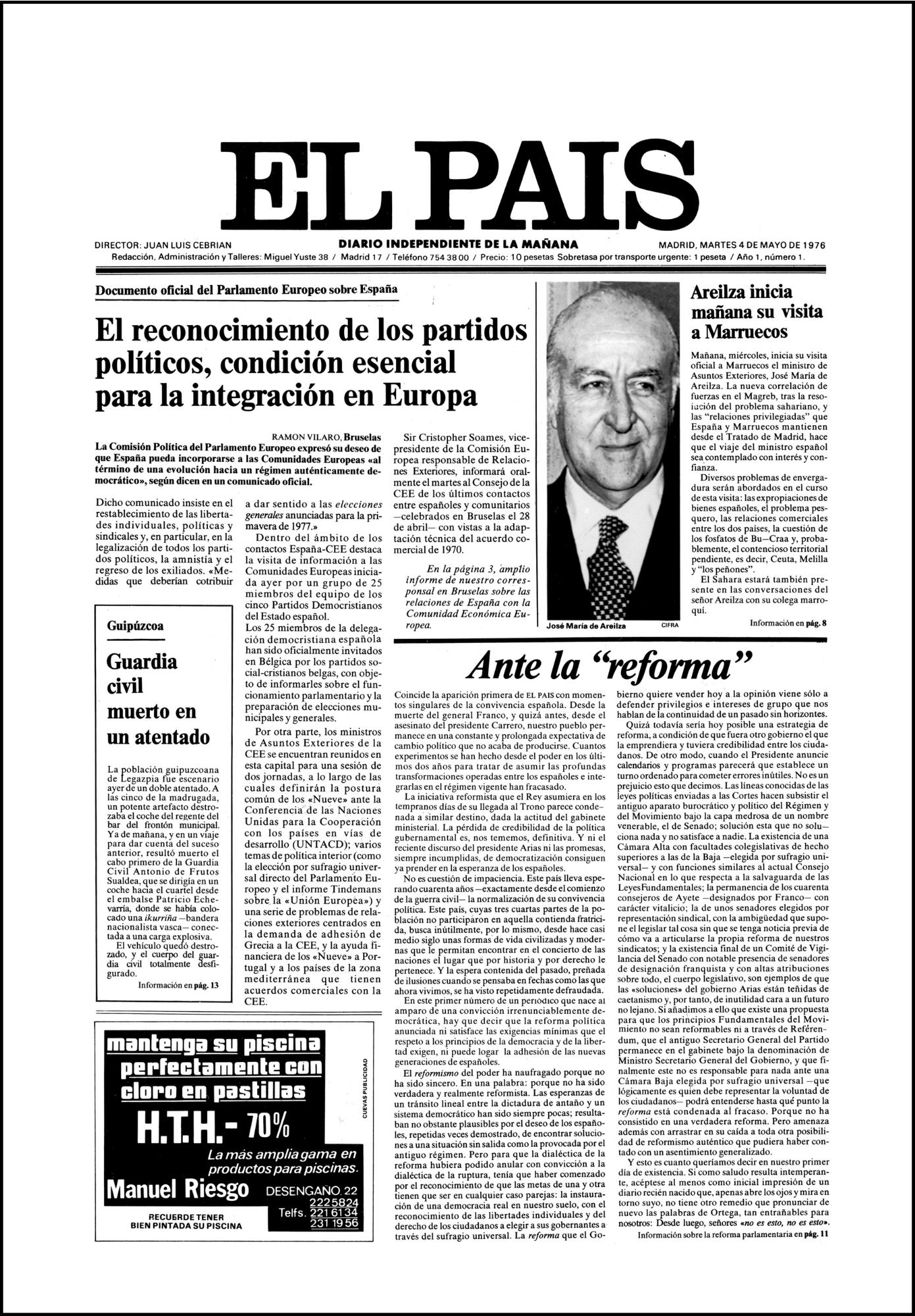
Founded on 4 May 1976, six months after the death of dictator Francisco Franco, El País was created as an independent newspaper dedicated to the promotion of democratic ideals in post-Franco Spain.
El País is the most circulated daily newspaper in Spain, and it is a national newspaper of record, covering local, national, and international news. El País is a highly readable, serious, literate newspaper appealing to diverse interests and schools of political thought.
The El País Historical Archive, 1976-2023 represents 47 years of Spanish-language news from a pro-democracy newspaper. With El País, readers can dive deeply into a distinctly European-Spanish perspective on historical events, culture, society, politics, sports, and more.
Franco’s Dictatorship
To understand why the democratic voice of El País is important, let’s examine a key figure who shaped Spanish history and society in the twentieth century, Francisco Franco. The general and dictator Francisco Franco (1892-1975) ruled over Spain from 1939 until his death in 1975. He rose to power during the Spanish Civil War when, with the help of Nazi Germany and Fascist Italy, his Nationalist forces overthrew the democratically elected Second Republic.
Franco adopted the title of “El Caudillo” (The Leader); think Adolf Hitler as Der Führer or Mussolini as Il Duce. Franco’s long dictatorship persecuted political opponents, repressed Basque and Catalan cultures, censored the media, and exerted absolute control. Even dictators sometimes soften their grip, and Franco eventually eased some of his restrictions as he got older.
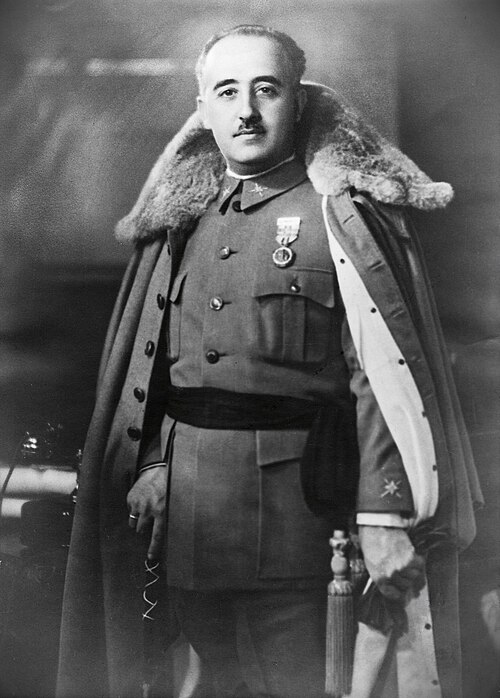
Freedom of the press is a cornerstone of many democratic societies, while control or suppression of the press is a tool of authoritarianism. Francisco Franco maintained strict control over the Spanish press during his dictatorship.
This control included censorship, suppression of dissenting voices, and promotion of a specific ideological narrative, similar to Nazi Germany’s chief propagandist Joseph Goebbels, or certain news outlets that use propaganda and misinformation to spread the message of particular governmental regimes.
Franco’s regime used the press to propagate its vision of a unified, Catholic, and conservative Spain, while suppressing any expression of liberal, regional, or other dissenting views. While a press law in 1966 aimed to reduce restrictions, it didn’t eliminate censorship, and newspapers were still subject to government control.
Writers and critics often had to be creative in conveying their messages, sometimes using fictional narratives to express political ideas or criticisms lest they run afoul of the authorities. Reforms occurred following Franco’s death. During a national referendum on December 6 of 1978, the Spanish Constitution was amended to guarantee the freedom of press; Section 20 of the Constitution enshrines this right:
“The following rights are recognized and protected: the right to freely express and spread thoughts, ideas and opinions through words, in writing or by any other means of reproduction.”
“The right to freely communicate or receive truthful information by any means of dissemination whatsoever. The law shall regulate the right to the clause of conscience and professional secrecy in the exercise of these freedoms”.
El País – a Global Newspaper of Record
We are pleased to offer El País Historical Archive, 1976-2023, featuring all issues of the Madrid edition of the paper (the global edition) from May 4th, 1976 – December 31st, 2023.
The Madrid edition covers all of Spain and includes an International section with the most important news from around the globe. The first issue through to July 23rd, 2001 are in black and white; color issues began with the July 24, 2001 issue. From 2001 onward, the content mirrors the digitally published version of the printed paper, the Madrid edition, as it is the most complete edition.
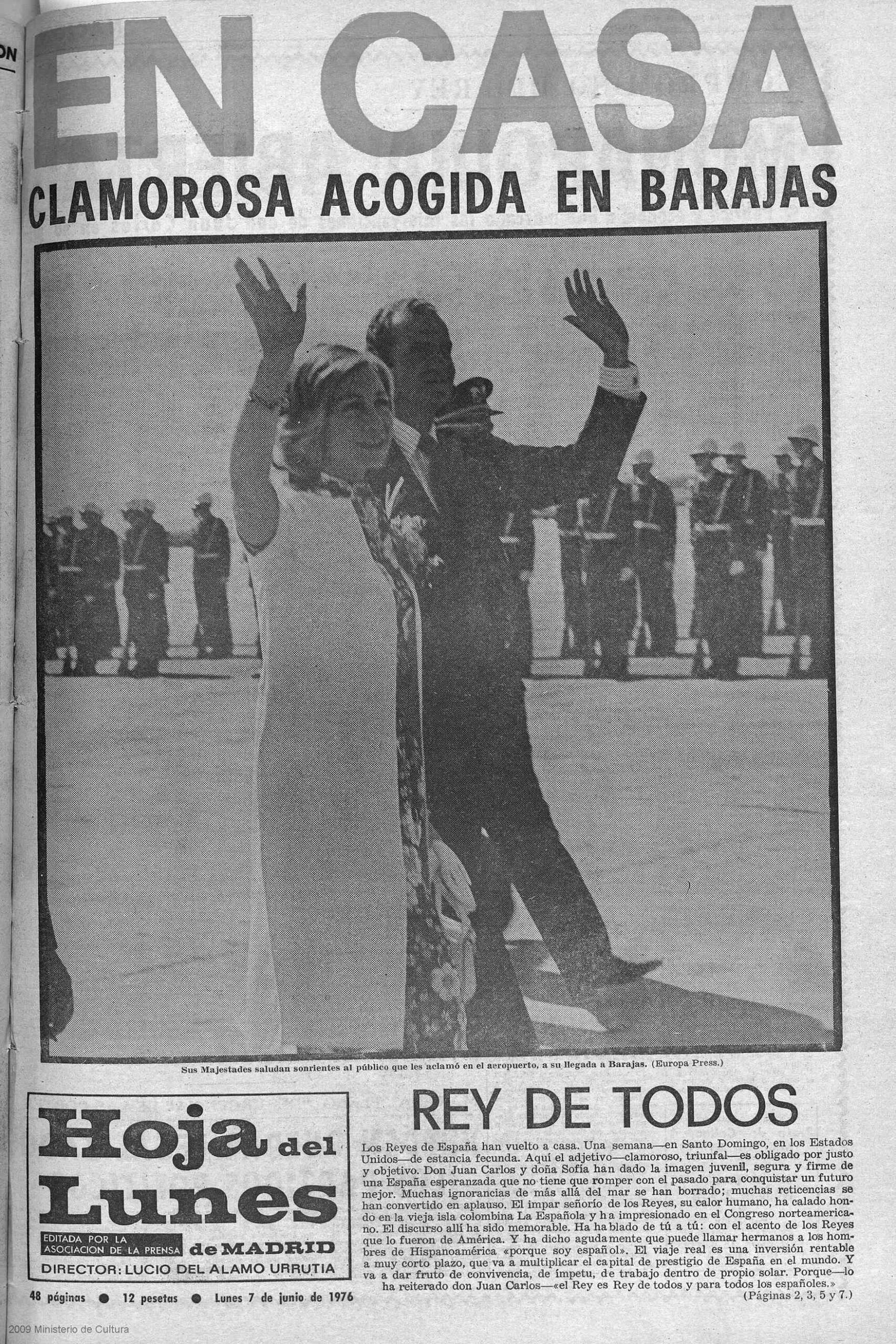
Interestingly, there are no Monday issues of El País until April 19th, 1982. In 1919, a successful strike by newspaper workers in Spain won them many concessions, among them the right to “el Descanso dominical” or “Sunday Rest”. This rest day was finally enacted in 1925 and thereafter none of the large Spanish daily newspapers were published on Mondays.
Instead, only a newspaper called the ‘Hoja del Lunes’ (literally the Monday Sheet) was officially authorized to publish. It was edited by the “Asociación de Prensa”, an association of smaller regional daily newspapers. This association was not a company, but part of the Spanish State. The Hoja del Lunes was in publication from 1930-1986. On April 19th, 1982, publication on Mondays was once again permitted and the first issue of El País published on a Monday appeared on that date.
What Will You Find Within the Pages of El País?
The news, of course! Let’s look at a few of the front pages.
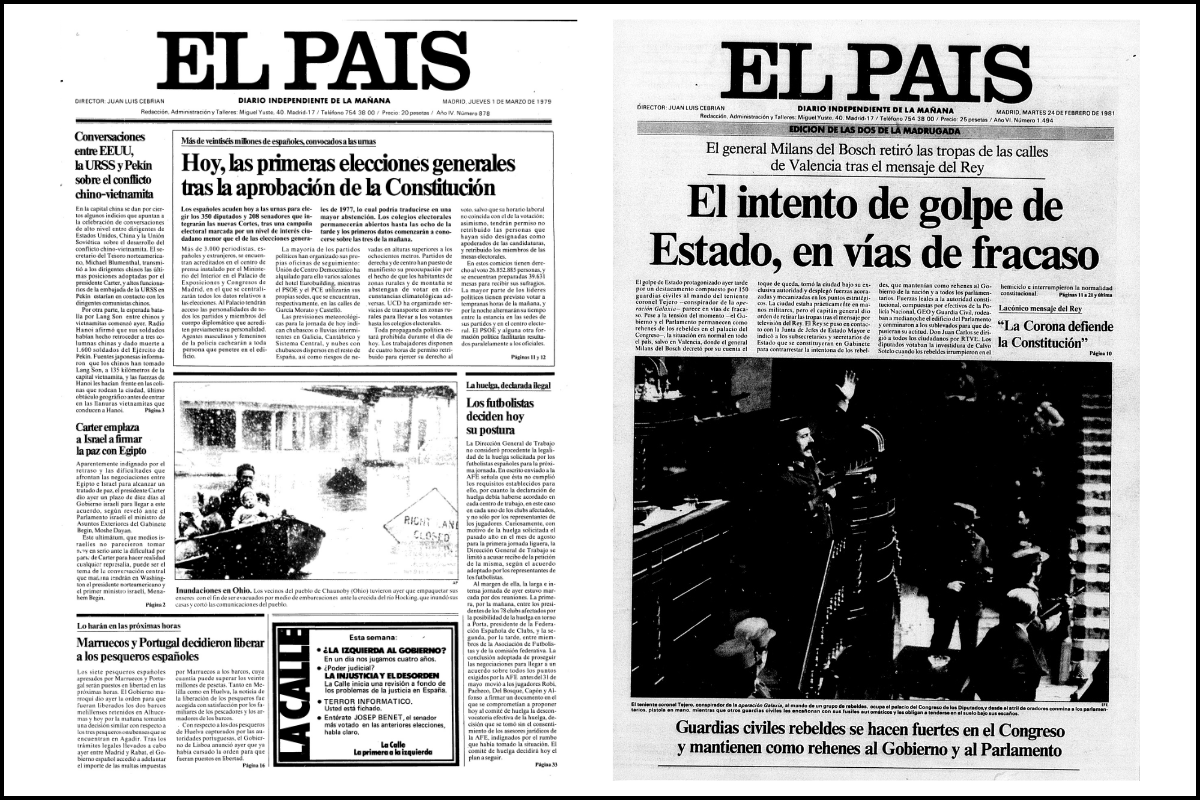
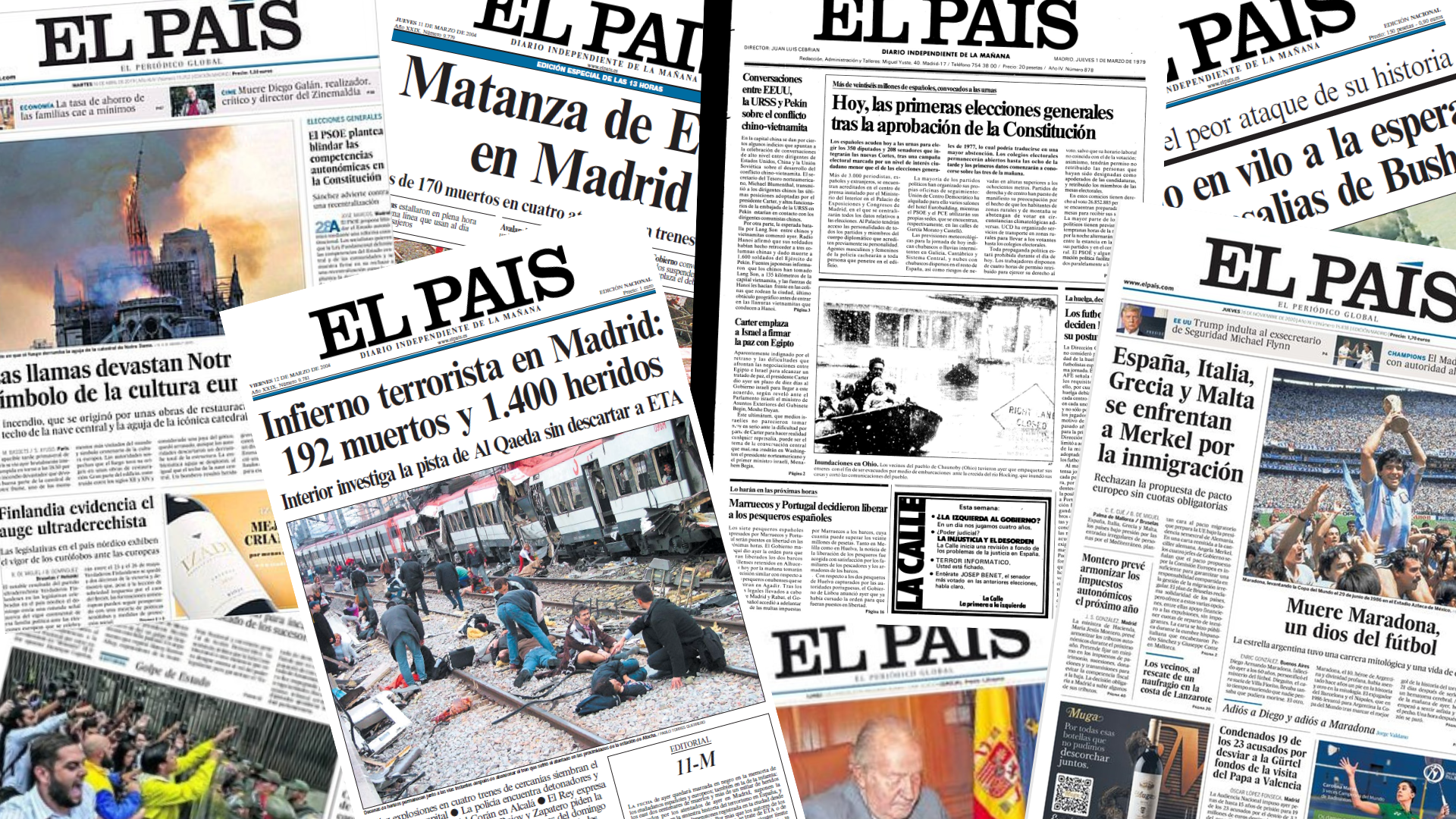
The first democratic elections in post-Franco Spain, alongside a coup d’etat (golpe in Spanish) attempted by elements of the Civil Guard and the Spanish Military led by General Antonio Tejero can be found. The failure of the coup marked the last serious attempt to revert Spain to a Francoist government and served to consolidate democracy in Spain. King Juan Carlos I played a major role in foiling the coup, and the monarchy emerged with renewed legitimacy as a result.
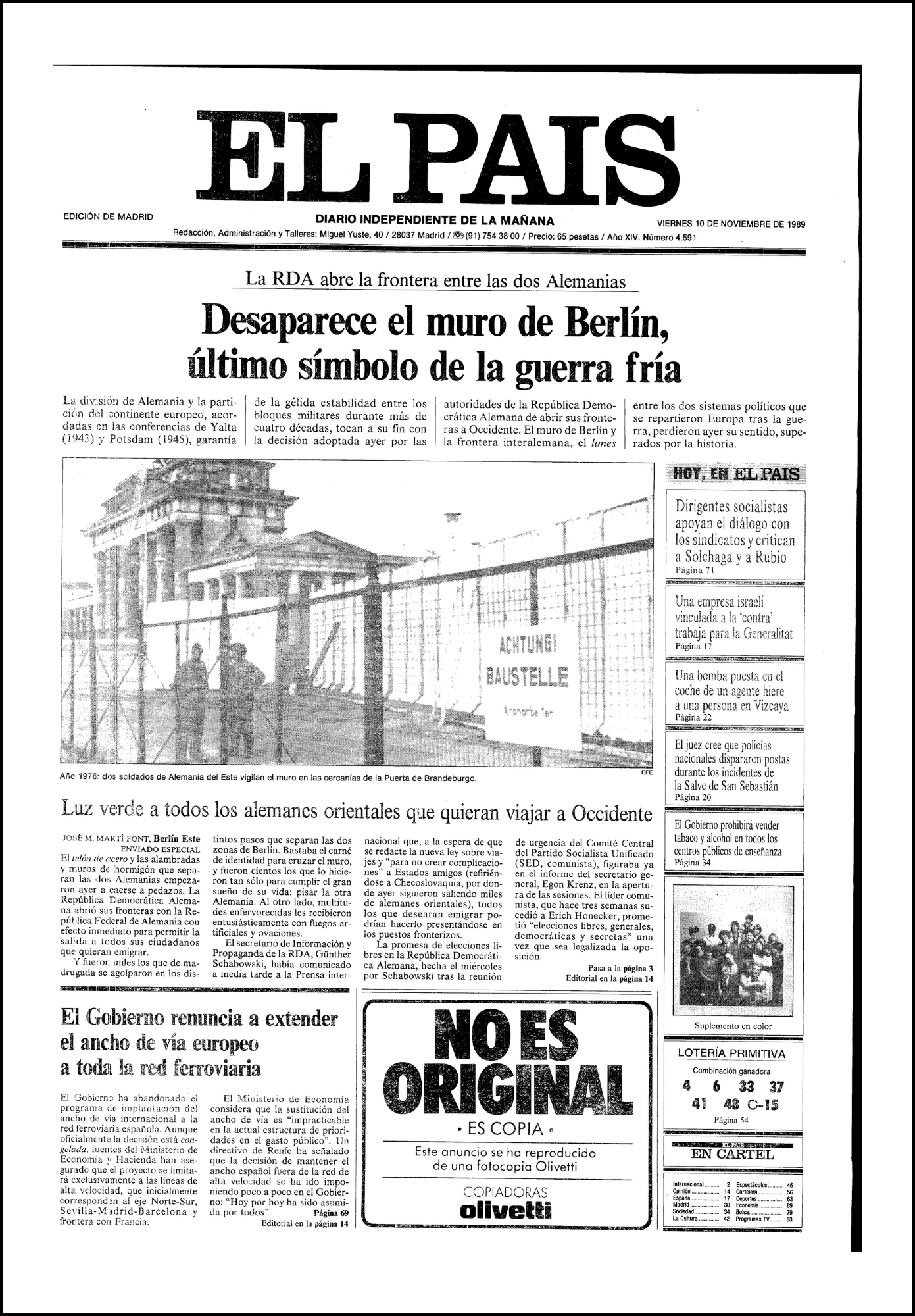
Front pages also reported on the fall of the Berlin Wall, peace negotiations between the then President Jose Luis Rodriguez Zapatero and the ETA, a Basque separatist group, following an attack.
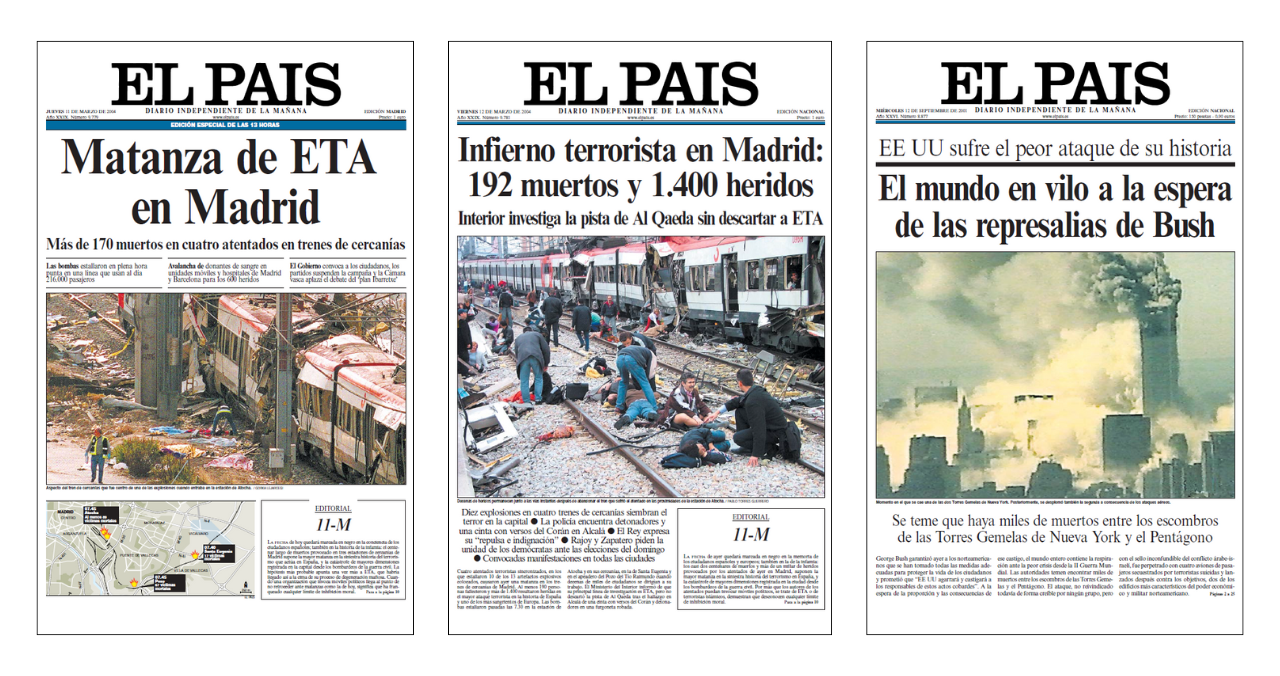
Two front pages cover the 2004 Madrid train bombings (known in Spain as 11M) – a series of coordinated, nearly simultaneous bombings against the Cercanías commuter train system of Madrid, Spain, on the morning of 11 March 2004, killing 193 people and injuring around 2,500.
The bombings constituted the deadliest terrorist attack carried out in the history of Spain and the deadliest in Europe since the bombing of Pan Am Flight 103 in 1988. The attacks were carried out by individuals who opposed Spanish involvement in the 2003 US-led invasion of Iraq. And like many global newspapers, El País covered the September 11th, 2001, terrorist attacks in the United States.
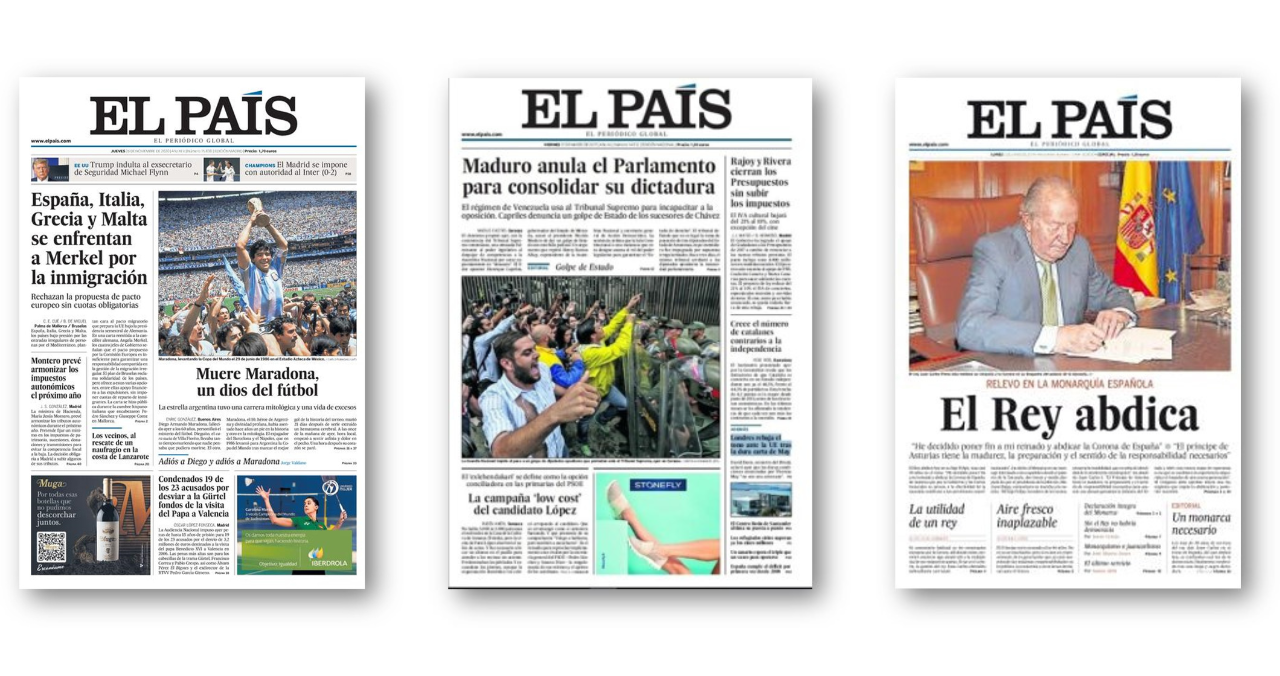
Other reports cover the death of Diego Maradona in 2020, Nicolás Maduro’s staged coup d’état, dissolving parliament and seizing control of Venezuela as a dictator in 2017, and the abdication of King Juan Carlos I in favor of his son, the Prince of Asturias, who became King Felipe VI. The King reportedly said, “No queremos que mi hijo se marchite esperando como el príncipe Carlos.” (English: “We do not want my son to wither waiting like Prince Charles.”)
All The News That is Fit to Print – ¡en Español!
El País Historical Archive provides access to one of the most popular newspapers in the Spanish-speaking world, complementing Gale’s other newspaper archival collections and providing new perspectives on historical events.
If you enjoyed reading about El País, check out these posts:
- Launch of British Library Newspapers, Part VI: Ireland 1783-1950
- A Moment of Anguish: Revisiting the Separation of Singapore from the Federation of Malaysia Through British Library Newspapers
- From Yellow Journalism to Internet Echo Chambers – Exploring the History “Fake News”
Blog post cover image citation: A collage of El País newspaper images from the archive.