
│By Elizabeth Gaglio, Academic Customer Success Specialist│
The nineteenth century is known as a “Golden Age” of children’s literature. Advancements in printing and new views on childhood transformed the genre that was overwhelmingly moral and didactic, finally allowing for tales of adventure, nonsense verse, and imaginative illustration.
Rather than reading just to learn proper behaviour and lessons, children got to find out what happened to Alice when she fell down the rabbit hole and follow the woodland adventures of “a silly old bear” and his friends. Reading for pleasure, curiosity, and wonder became a valued part of childhood in this golden age.
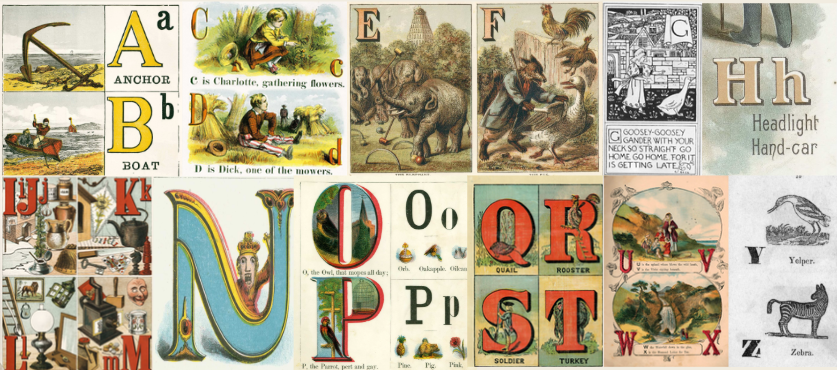
By looking at one popular style of book, the alphabet book, we can see echoes of trends found across children’s literature in the nineteenth century, laying the foundations of modern works. Didactic by nature, but with growing whimsy and creativity, these alphabet collections found in Gale’s Children’s Literature and Childhood archive (part of Nineteenth Century Collections Online) help us track the evolution of children’s literature.
Early Children’s Literature: Moral and Didactic
The origin of children’s literature is similar to any other genre, deeply rooted in oral tradition. Fables, folklore and ballads were passed on from grandparents to children, and travelling storytellers spread the stories across communities. The industrial revolution brought these stories to print in the form of chapbooks, small booklets sold by street vendors. As traditional publishing advanced, books for children met new expectations based on the dominant culture at the time.
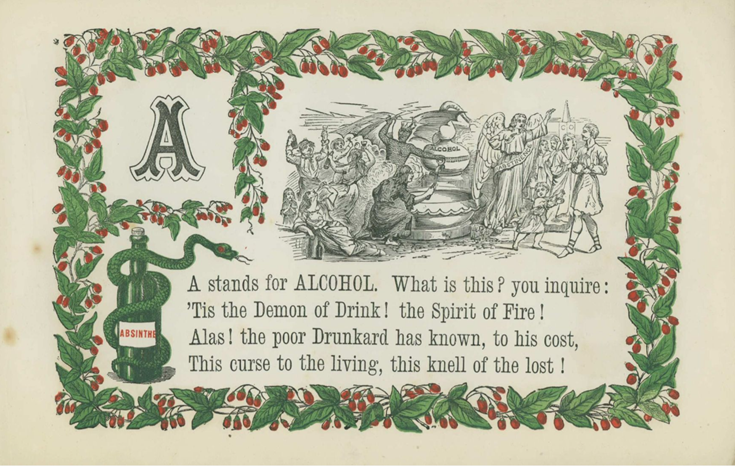
Early children’s literature reflected contemporary views on childhood. Prior to the nineteenth century, childhood was regarded as a preparatory stage for adulthood and children were thought to be born “sinful”. Books produced for children during this time were heavily focused on teaching moral development and future life skills. An example of the stark directness of these lessons can be found in The Chapter of Accidents: Or Book of Caution to Children. Each page features a potential accident or dangerous consequence.

In Major’s Alphabet, we see a gentler approach to learning about daily life. The alphabet depicts chores, activities, and behaviours appropriate for the time. Rhyme and rhythm add to a more enjoyable reader experience, but the content is still instructional.
![McLoughlin Bros. Major's Alphabet. McLoughlin Bros., Publishers, [187-?].](https://review.gale.com/wp-content/uploads/2025/10/image-2-border.jpg)
Reinforcing the moral teachings, religion was another popular topic in early children’s literature. Books with biblical stories, songs and messaging were published for children.
![Pott & Amery. Alphabet of Old Testament History. Pott & Amery, [ca.1870].](https://review.gale.com/wp-content/uploads/2025/10/image-3-border.jpg)
Entering a Golden Age: Fantastical and Playful
The rise of the romantic period brought widespread change across culture, including in children’s literature. Innovative writings like John Locke’s Some Thoughts Concerning Education and Jean-Jacques Rousseau Émile, or On Education helped to not only change views on childhood but to teach adults to cherish it as a unique and special time. As views on childhood changed, so did children’s literature. During this golden era, books for children needed no other purpose than to delight, appealing to children’s imaginative and inquisitive nature.
It was during this time that classic fairy tales from The Brothers Grimm and Hans Christian Andersen were translated into English, introducing young audiences to The Little Mermaid, Rumpelstiltskin, Thumbelina and others. Children’s books began to include collections of stories and more imaginative alphabets. The Fairy Alphabet has playful rhymes and illustrations about familiar fairy tale characters.
![McLoughlin Bros. Fairy ABC. McLoughlin Bros., Publishers, [ca.1880?].](https://review.gale.com/wp-content/uploads/2025/10/image-5-border.jpg)
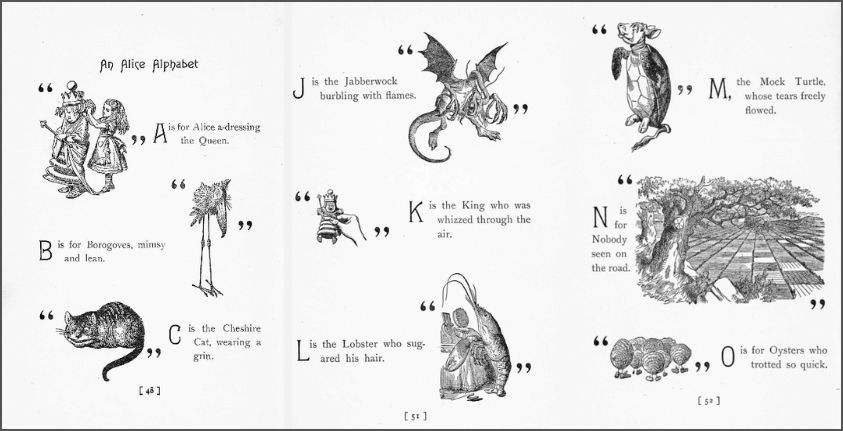
Fantasy was further expanded and explored in novels for children. Lewis Carol’s Alice in Wonderland originally baffled critics but the nonsense, adventure, and riddles were exactly what made it an instant favourite among children.
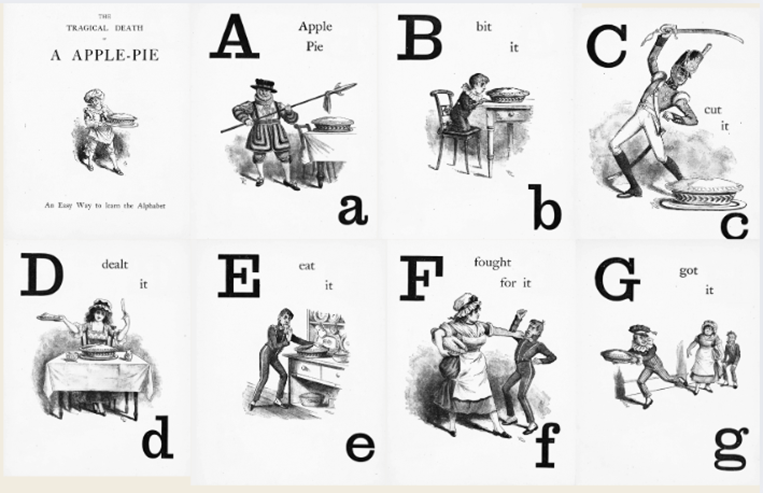
Children’s literature had officially become playful. The Tragic Death of an Apple Pie is a lively example of silly stories influencing didactic texts.
Enduring Elements: Illustration and Anthropomorphism
The influence of this golden age can still be found on bookshelves today, not just in titles, but also in themes and traditions. Detailed illustrations paved the way for picture books, and anthropomorphism became a popular way to engage children in imaginative worlds.
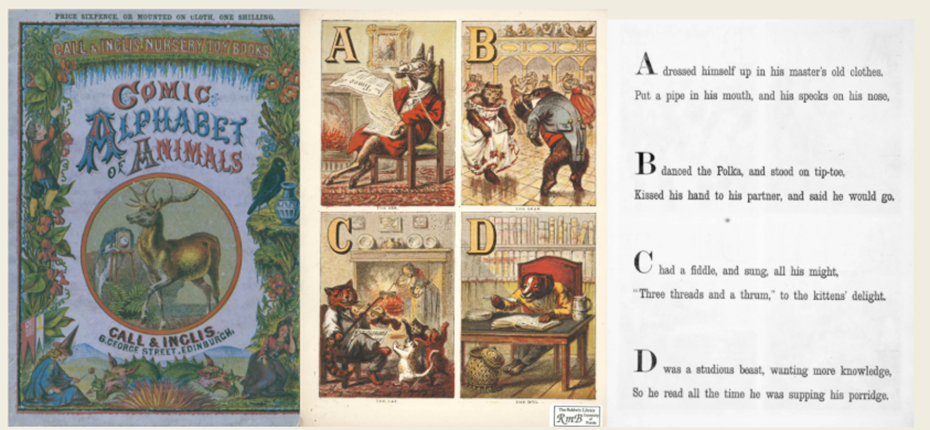
The Comic Alphabet of Animals depicts animals doing human things, a device used by authors today both to entertain and to address difficult topics in a less direct way.
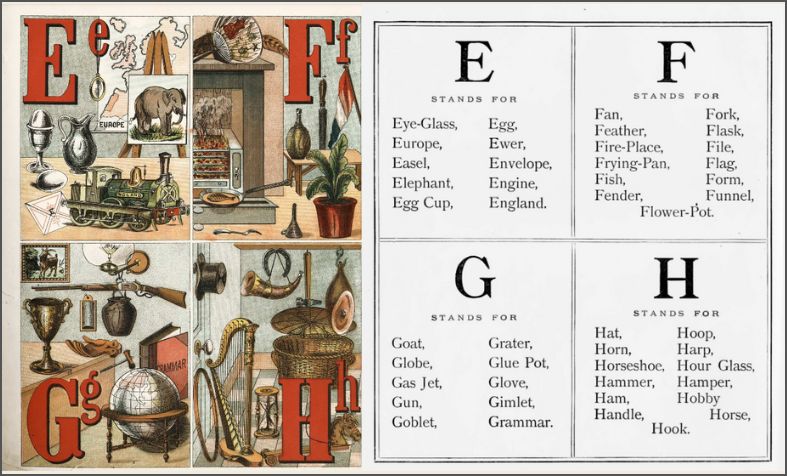
New illustration styles developed and were an important way to engage young readers. Aunt Louisa’s Alphabet presented items in a seek and find style, similar to the I Spy books we see today.
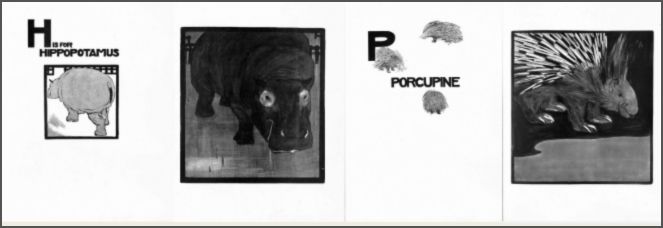
Illustrators became well known for their work on children’s books, including Randolph Caldecott, namesake of the modern Caldecott Medal for picture book illustration. This attracted famous artists to the genre.
Children’s literature has had other notable “golden ages” throughout its’ long history, but the nineteenth century marks a time of significant change that still influences literature today. Diverse, imaginative children’s literature remains an important way to teach, entertain, and inspire young minds.
If you enjoyed reading about nineteenth-century literature, check out these posts:
- Exploring the Inspiration for Romanticism: Was it a Counter-Enlightenment?
- An Overview of the Romantic Period using The Times Literary Supplement Historical Archive
- Examining the Emergence of Gothic Literature in the Early Nineteenth Century
You may also enjoy another article by the same author: