
│By Jess Ludwig, Director, Product Management│
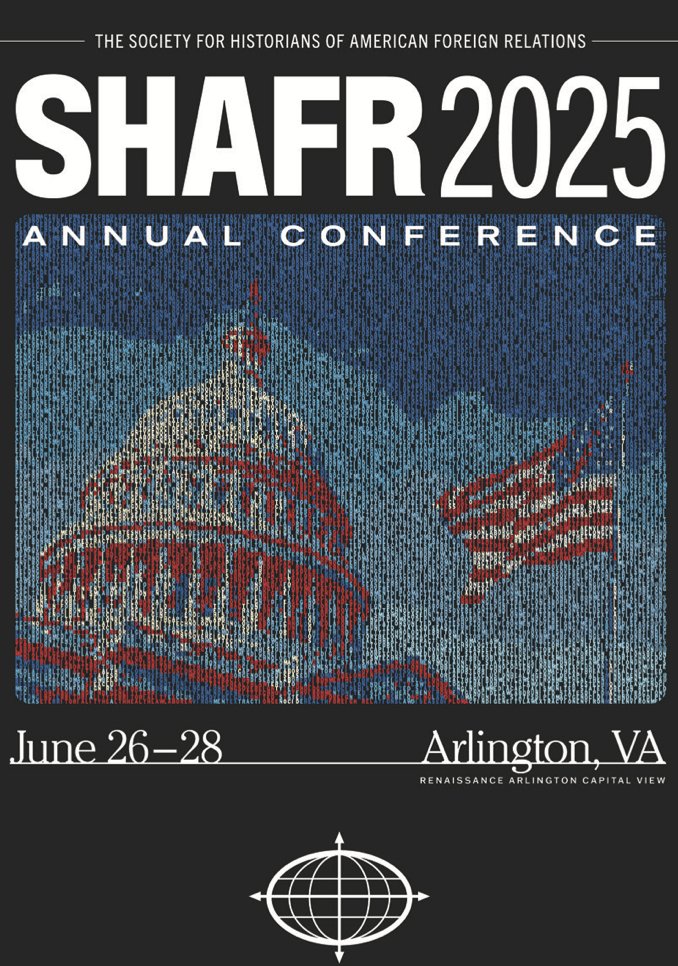
On a recent humid summer morning in Arlington, Virginia, participants in the Gale-Society for the History of American Foreign Relations (SHAFR) fellowship presented exciting research findings at SHAFR’s 2025 annual conference.
SHAFR was founded in 1967 and “is dedicated to the scholarly study of the history of American foreign relations.” In 2024, Gale and SHAFR partnered to create a fellowship; as part of the program, Gale made available Gale Primary Sources archives tailored to each fellow’s research agenda; access to the primary sources text and data mining platform Gale Digital Scholar Lab; and a stipend.
Panels and Topics
Panelists for “Exploring New Tools for Digital History: The 2024 SHAFR-Gale Fellowship” included Harris Ford, PhD candidate at University of Saskatchewan; Theresa Keeley, Associate Professor of U.S. and the World at University of Louisville; and Anne Ngoc Tran, a PhD student at University of Southern California.
I had the pleasure of chairing the panel for which James Stocker, Associate Professor of Global Affairs at Trinity Washington University, served as commenter.
The session was not recorded, but Harris Ford presented his talk, “Western Media Bias: Case Studies in Language Used by Western Newspapers Regarding the Third World,” virtually. His dissertation focuses on the decolonisation of news through the Inter Press Service and UNESCO.
He graciously agreed to share this clip of his talk so that others could learn from his work investigating how Sentiment Analysis tools can reveal directional trends in press coverage of political figures. In the video, he also discusses various ways that Term Frequency can be used to discover patterns in newspaper reporting.
Theresa Keeley, in her presentation “Using Gale Resources to Explore Conversations About Napalm and Children,” detailed her curation of a content set of 1,405 documents and performed close readings of all of them, during which she discovered images that she’d seen in her own personal research collections.
She started to see trends related to the global circulation of images across newspapers, activist newsletters, and other sources. Her use of Gale tools helped support work on her forthcoming book Confrontational Humanitarians: Doctors, Children’s Health, & U.S. Harm in Vietnam.
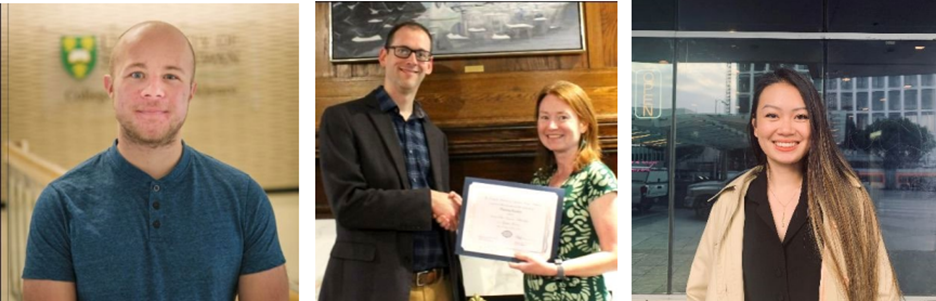
Ann Ngoc Tran in “‘Boat People’: Shifting Meanings and Political Transformations in the Vietnamese Refugee Crisis” used Term Frequency and Topic Finder tools to investigate the shifting meanings of the term “boat people.” She also noted the time-saving value of digital archives (she found documents in Gale collections that she’d seen on a Hong Kong research trip).
Using Digital Humanities to Inform Research
Harris, Theresa, and Anne have completed their fellowship term, and you can learn more about their research through their professional pages and future Gale case studies that will showcase their work in greater detail.
These are just a few examples of how scholars are using digital humanities methods to discover directional trends that inform their research.
Gale has partnered with universities, societies, and organisations around the world to support fellowships. More information about these partnerships and fellows’ research projects, including videos and case studies, can be found at https://www.gale.com/academic/fellowships
If you enjoyed reading about the fellowship and digital humanities check out these posts: