
Power, Protest & Presidential Profanity: The ‘Race’ for Civil Rights

|By Megan Bowler, Gale Ambassador at the University of Liverpool|

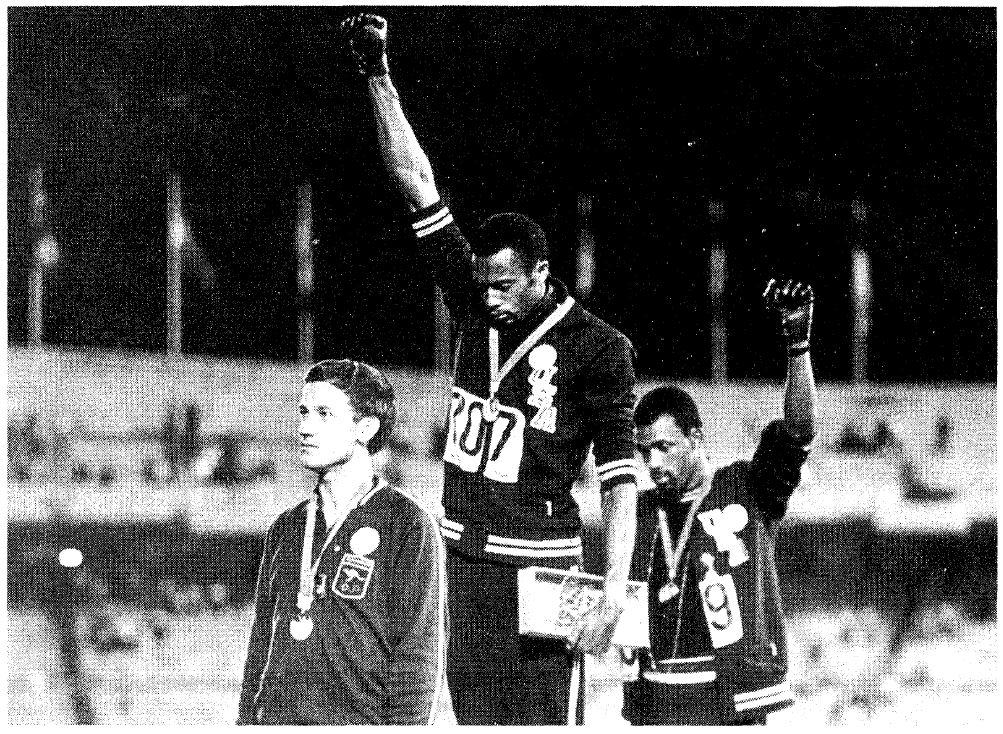
On 16th October 1968, two black-gloved fists were raised in solidarity on the podium of the Olympic Games in Mexico City as a silent, yet powerfully emotive protest against racial injustice. The American sprinters, Tommie Smith and John Carlos, immediately caught the attention of the world’s media as agitators, acting in defiance to the starred and striped flag and all that it appeared to represent. This transpired just six months after the assassination of Martin Luther King.
Read more

Feminist protests over the years – the continued fight for equality

By Anita Klich, Gale Ambassador at Portsmouth University, UK

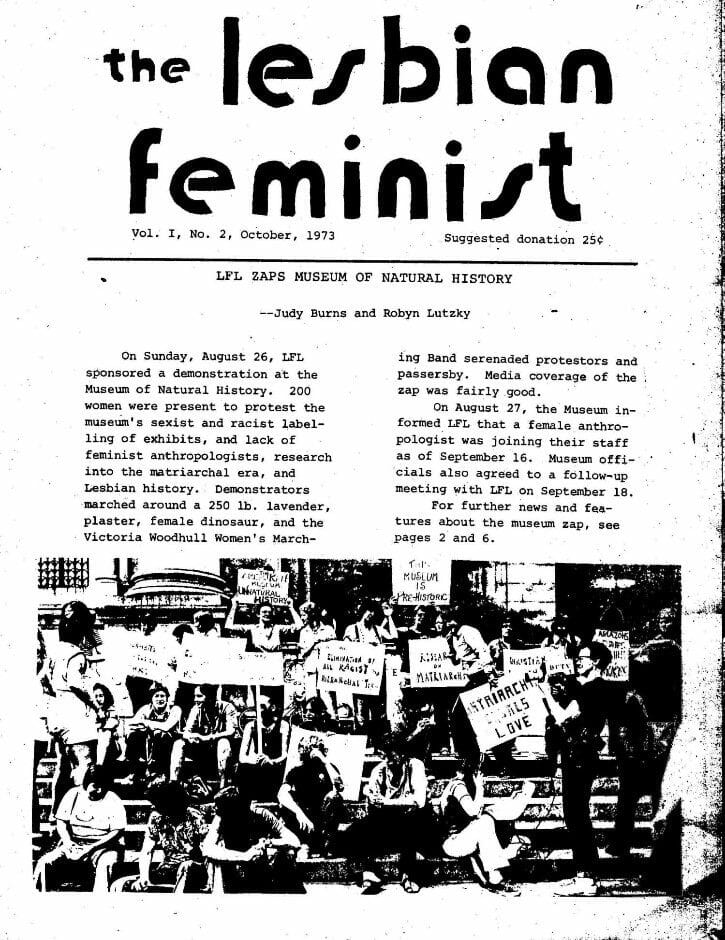
Women have been fighting for equality for decades; in the 1980s and ‘90s, there were many protests addressing the issue of inequality in the workplace and society overall. The Gale resource Archives of Sexuality & Gender provides students and scholars with documents to examine and critically assess issues concerning LGBTQ history and culture as well as Feminist movements, thus allowing academics to compare and determine how the situation has – or has not – changed over the years.

Read more

Occupying Alcatraz: The Native American Experience Then and Now

Alcatraz

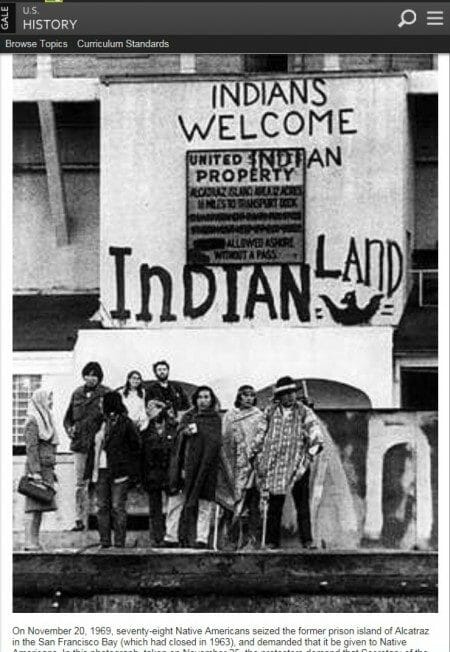
Whilst the media widely documents the racial tensions still present in American society, there tends to be greater coverage of the plight of African Americans, leaving other racial and ethnic minorities under-represented. Given that this Friday, 20th November, is an anniversary of the day a group of Native Americans occupied Alcatraz island to highlight what they claimed to be historical and contemporary exploitation of Indian rights by successive governments, it seems opportune to spend time exploring Gale’s databases and archives to find out what occurred 46 years ago, and what it means for Native Americans today.

Read more